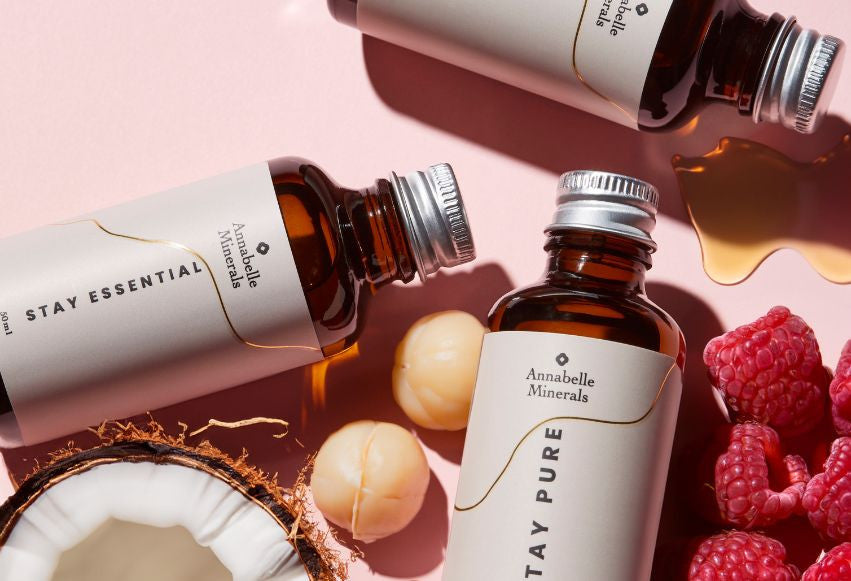
Sensitive skin needs support both from the outside and inside. A proper diet and cosmetics are crucial in the fight for beautiful and healthy skin, but sometimes they're not enough. Therefore, it's worth reaching for natural ingredients, which are often within our reach, but which we might not have thought could provide skincare support. What products are we talking about? In today's article, we present the top 5 most popular and widely available ingredients that are gentle on sensitive skin.
Linseed
Flaxseed is undoubtedly a superfood. Its properties positively impact the digestive system, the upper respiratory tract, and the appearance of our skin, hair, and nails. It's safe for all skin types, and when used on sensitive skin, it can work wonders. What ingredients make flaxseed so valuable for sensitive skin? It contains the omega-3 fatty acid ALA (alpha-linolenic acid), which, as an essential fat, must be ingested through food because our bodies don't produce it. One of the most important functions of this acid is its anti-inflammatory effect, which is crucial for sensitive skin care. Additionally, various masks based on flaxseeds soothe facial skin, moisturize it, and create a protective barrier. Flaxseed has a wide range of uses; you can support your skin with it both internally and externally. You can't miss out on this wonderful product – its easy availability, low price, and wonderful properties make it a shame not to try it for yourself. You can find flaxseed in pharmacies and herbalists, and I recommend buying it only there. There are two types available on the market: brown and golden. The latter is more expensive but richer in nutrients. Most importantly, if you decide to buy this super product, choose whole flaxseed, never ground, as this is the only form in which it is most nutritious.
Be sure to try: Flaxseed Mask. It will intensely moisturize and nourish your skin. Boil a tablespoon of flaxseed in about 125 ml (half a cup) of water. Allow the flaxseed to cool and add a tablespoon of natural honey. After mixing the flaxseed and honey, apply the mask to your face. After about 20 minutes, rinse it off with lukewarm water and enjoy beautiful skin.

Honey
The nectar drunk by bees from flowers reaches the hive, where it is stored in the cells of the wax combs, where it is transformed into honey after the water evaporates. The final product consists primarily of sugars—fructose and dextrose, with a bit of pollen, wax, proteins, vitamins, and minerals. Depending on the type of plant from which the nectar is collected, honey takes on different flavors. Honey is significantly sweeter than sugar. One teaspoon contains 65 calories, while white sugar contains 48 calories. However, this doesn't change the fact that it possesses surprising and beneficial properties for our health. Honey contains a range of nutrients, including vitamins B and C, amino acids, and minerals. Due to its consistency, it is a natural topical remedy for soothing irritations occurring on sensitive skin. It kills bacteria and accelerates the healing of cuts and wounds, and is also a fast-acting source of energy. Honey's antibacterial properties stem from its composition: it contains hydrogen peroxide and propolis (a compound derived from nectar), which kills bacteria. Its high sugar content helps draw moisture, the lifeblood of bacteria, from wounds (e.g., acne or skin inflammation). Furthermore, honey creates a protective barrier that prevents harmful pollutants from penetrating the skin. Honey's anti-inflammatory properties stem from the presence of vitamin C and catalase. Its skin-regenerating properties are due to its riboflavin and niacin content. However, remember that honey's composition varies depending on the type of plant from which the nectar was collected. For sensitive skin, manuka honey is a good option; due to its methylglyoxal content, it has up to 100 times stronger antibacterial properties. But let's not get carried away: the price of this honey is high, and our local market offers wonderful, healthy, and healing honey products.
Be sure to try: Honey and Milk Mask. Mix two tablespoons of whole milk with two tablespoons of real honey. Apply to cleansed face, neck, and décolleté and leave on for 15-20 minutes. Rinse with lukewarm water. This mask will nourish and smooth your skin.
Witch hazel
The active ingredients of natural witch hazel are tannins, chemical compounds with astringent properties (they tighten pores in the skin). Tannins also constrict blood vessels and help stop bleeding from shaving cuts or minor wounds. Nowadays, this raw material is steam distilled, which means it's practically devoid of valuable tannins, and its astringent properties come from the alcohol content. However, you can still find genuine herbal remedies made with witch hazel, such as liquid extract, dried leaves, or tincture. It's up to you which type of witch hazel you choose – from a pharmacy or the traditional version. Traditional witch hazel is effective in alleviating the symptoms of skin inflammation, primarily because it has anti-inflammatory, hydrating, and antibacterial properties. It's also a wonderful soothing agent after sunbathing, especially for sensitive skin, which is much more susceptible to sunburn. The hamamelitannin contained in this herb protects against UV radiation (which is why it's included in some after-sun lotions). Witch hazel, an astringent and cooling agent available from pharmacies, is excellent for treating irritations that occur after shaving.
Be sure to try: Witch Hazel Toner. Mix ¼ cup of witch hazel liquid extract with 1 tablespoon of glycerin, 2 teaspoons of aloe vera gel, and filtered water to fill the bottle. Mix the ingredients in a mist spray bottle. Store the toner in a cool, dark place or in the refrigerator, where it will stay fresh for up to 6 months. Spray it on your face daily.
Avocado
Avocado is a true powerhouse among fruits. Still underestimated by many, avocados are perfect both in the kitchen and for sensitive skin care. Their vitamin A, C, E, B9 (folic acid), PP, and K content, as well as potassium, calcium, iron, and unsaturated fatty acids, place this green fruit high on the list of superfoods. An additional advantage is the ability to consume the fruit in various forms, providing all these vitamins from the inside, but also to create masks or oils that you can apply to your sensitive skin without any guilt. The beneficial properties of avocado as a skincare product are exceptional. Avocado delays the aging process, deeply moisturizes, has anti-inflammatory, antifungal, and soothing properties, but above all, it has powerful regenerative and smoothing properties. You can buy this miracle fruit in any grocery store or grocery store, or as a ready-made oil at a pharmacy.
Be sure to try: Avocado Mask. It will deeply moisturize and nourish your skin, and what's more, it's incredibly easy to prepare. Simply peel, wash, and pit the avocado. Then, grate or mash it with a fork and apply the paste to your face. After at least 15 minutes, you can wash your face (or any other body part you choose) with lukewarm water. Repeat this treatment once every two weeks, and your skin will surely thank you.

Almond oil
Almond oil is a perfect friend for sensitive skin. This is because, unlike other oils, it has hypoallergenic properties. It's packed with nutrients, including vitamins A, B, D, and E, minerals like magnesium, manganese, iron, sodium, zinc, phosphorus, potassium, and unsaturated fatty acids like oleic and linoleic acid. It has antioxidant properties, stimulates collagen production, and—due to its lightness and rapid absorption—doesn't clog pores. Thanks to its B vitamins, sweet almond oil strengthens the skin's protective barrier. Furthermore, this oil is so gentle that you can easily use it to remove makeup from delicate areas like the eyes.
Be sure to try: Almond oil. Try making it yourself; contrary to appearances, it's not difficult; it just requires a little patience. You'll need olive oil and unroasted almonds. Blend two cups of almonds until smooth. Meanwhile, add two tablespoons of olive oil to the resulting mixture and continue blending. When you're satisfied with the blending results, transfer the resulting almond mixture to a glass container and leave it in a dark, cool place for about two weeks. This is how long it takes for the almond oil to separate from the mixture. Strain the finished oil and enjoy your own 100% natural almond oil. If you're wondering what to do with the remaining mixture, don't waste it and use it as a body butter to moisturize your body.
When using the ingredients mentioned, remember to consider the safety of your skin. Despite the natural nature of these products, you can never be sure that a given ingredient will be harmless. Before using any of them, perform an allergy test on your skin. If you don't notice any negative reactions, feel free to introduce something new into your skincare routine.
Agata Bielecka / AGU – She was supposed to be a teacher, but she became a blogger. She owns a blog available at www.agatabielecka.pl . Known online as Agu, she's passionate about cosmetics and everything related to beauty and self-care. She's obsessed with brushes, eyeshadow, and red lips. In her private life, she's a cat lover, a fan of photography, Scandinavian crime novels, austere interiors, good food, and coffee.
