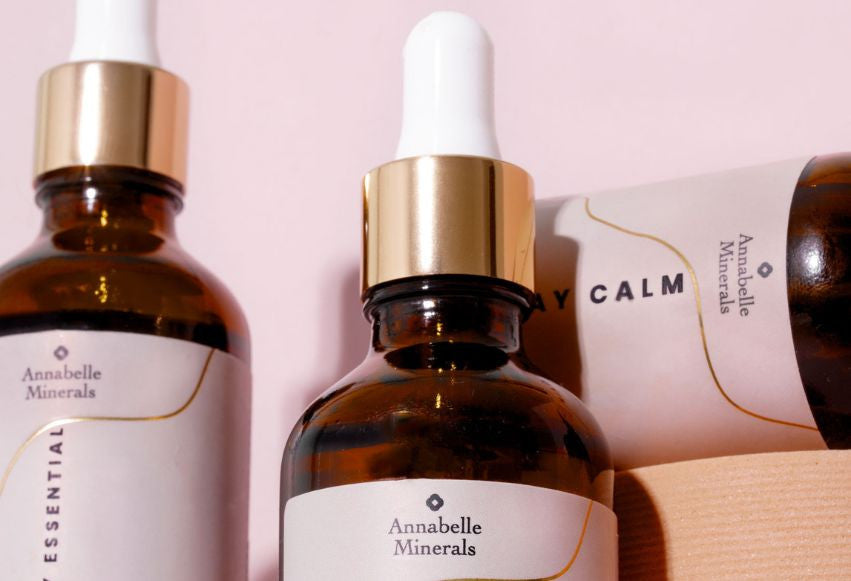
Fragrances play a crucial role in our lives – they relax, unwind, soothe the senses, and evoke memories. It's no wonder they've been used in aromatherapy for years. Aromatherapy harnesses the power of scent to heal both body and soul. Natural essential oils can work wonders, yet they're still vastly underappreciated. Experience their power and see for yourself that they're truly worth the effort.
Aromatherapy
As mentioned in the introduction, scents have a profound impact on our well-being. Aromatherapy is the use of natural essential oils as a health-promoting therapy. Its primary goal is to improve our physical and mental health. There are several types, including inhalations, massages, baths, and compresses.
Essential oils
Natural essential oils have been used in medicine and cosmetics for years. They are extracted from plants, specifically from specific parts: roots, bark, stems, flowers, leaves, and even seeds. They have a broad spectrum of activity, possessing antibacterial, antiseptic, and, above all, aromatic properties. They can sometimes stimulate, refresh, aid concentration, promote better sleep, soothe pain, or simply improve mood. It's worth remembering that essential oils don't just have a pleasant aroma; they also provide a powerful boost of health and energy.
Indications for aromatherapy
Initially, natural essential oils were primarily used for skin care, but it was quickly discovered that they also have a beneficial effect on our well-being. Furthermore, they are excellent for supporting the respiratory system, not only in infections, but also help relax tense muscles, have anti-aging properties, improve blood circulation, and are effective in combating cellulite and stretch marks. They also regulate sebum production and are helpful in treating acne, herpes, fungal infections, and eczema. Oils have strong antibacterial properties, so they are also recommended for treating insect bites, pimples, and other skin lesions. Some are also recommended for urinary tract problems.
Application
When choosing aromatherapy, we must first remember to pay attention to the oil's ingredients. Manufacturers often overuse the term "nature-identical," meaning that the product only has the same scent as the original, but otherwise bears no significant resemblance. Unfortunately, these pre-made products lose their value and, beyond their pleasant aroma, are unlikely to be of any use. It's also important to emphasize that pure essential oils are very potent and should never be applied to the skin without dilution. Always follow the manufacturer's recommendations and follow the instructions on the packaging—don't exceed the recommended dosage and don't mix anything yourself. Oils can be used in many ways—they are recommended for adding them to baths, massage oils, toners, masks, or creams. Dilution is key, so another oil or cosmetic product works well as an additional base. Of course, natural oils can also be placed in a special oil burner or humidifier, providing a beautiful aroma in the air.
When to avoid aromatherapy treatments
As with any other form of relaxation, aromatherapy should be used with caution. This form of relaxation of body and mind is not for everyone. It is absolutely necessary to discontinue use if an allergic reaction to a specific oil occurs. Ideally, perform an allergy test before using any essential oil. Pour a few drops into the crook of your elbow and apply a patch for 12 hours. If the skin looks good after this time, an allergy should not occur. Some oils are not recommended for certain conditions; for example, people with epilepsy should avoid rosemary oil. Aromatherapy should also be used with caution during pregnancy. In such cases, choose mild solutions (sandalwood) and avoid oils such as jasmine, rosemary, sage, lavender, peppermint, chamomile, or rose. It is also worth remembering that citrus oils can cause skin sensitivity to the sun, so avoid direct sunlight. Any type of massage when there are visible wounds or other skin changes on the skin, for example inflammation that may spread to other areas of the skin.
Which oil should I choose?
The oil should be chosen based on your needs. It should be tailored to your ailments. Natural essential oils have different properties, so it's worth keeping this in mind. Below are some of the most popular:
- lavender oil - recommended for headaches, with a mild scent, has a calming effect, relaxes and unwinds, when lit in an aromatherapy fireplace, it envelops the entire apartment with its scent;
- rosewood oil - has a slightly sweet, floral aroma and is great for both face and body care, of course, when used in the appropriate dilution, it nourishes, soothes and refreshes the skin;
- tea tree oil - has primarily antifungal and antibacterial properties, is suitable for problematic skin, e.g. for people suffering from acne, has a characteristic, fresh, herbal scent;
- orange oil - has cleansing and anti-wrinkle properties, has antiseptic properties and relaxes and unwinds;
- chamomile oil - soothes irritations, regenerates and calms the skin, and also calms, calms and relaxes;
- Lemon balm oil - has a fresh, citrus aroma and has a calming and sleep-inducing effect;
- sandalwood oil - soothes stress and has antibacterial properties, in body care it has anti-inflammatory properties and soothes skin lesions, has a characteristic, slightly woody scent.
Agata Bielecka / AGU – She was supposed to be a teacher, but she became a blogger. She owns a blog available at www.agatabielecka.pl . Known online as Agu, she's passionate about cosmetics and everything related to beauty and self-care. She's obsessed with brushes, eyeshadow, and red lips. In her private life, she's a cat lover, a fan of photography, Scandinavian crime novels, austere interiors, good food, and coffee.
