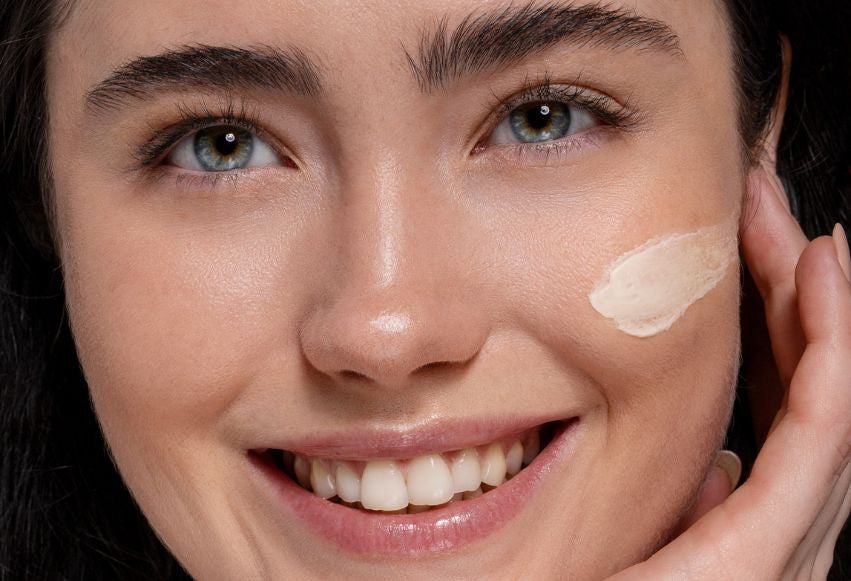
If you have sensitive skin, you're well aware of how difficult and arduous caring for it can be. Sensitive skin is directly related to atopic and allergic skin, characterized by broken capillaries and redness that appear due to temperature changes, exposure to weather factors, and stress. Sensitive skin is associated with recurring sensations of burning, stinging, tightness, itching, or tingling. Hypersensitivity can result from genetic predispositions, but also from a lack of proper skincare. In short, if you don't take care of yourself, you can lead your skin to an unwanted state of hypersensitivity, regardless of your skin type (hypersensitivity can affect oily, dry, and vascular skin).
Sensitive skin requires exceptional protection and care, including the use of appropriate cosmetics and the care of a dermatologist or cosmetologist. However, there are a few rules worth following in the daily care of sensitive skin and beyond:
1. Drink water
Dehydrated facial skin becomes dry and rough, leading to flaking and numerous irritations. Hypersensitive skin malfunctions, disrupting its function, leading to damage to its outer layers – the protective lipid barrier. If you want to hydrate from the inside, drink at least 8 glasses of water daily (remember that the choice of water to drink is equally important; not all water is created equal; choose mineral waters with a high mineral content – at least 1000 mg of nutrients per liter of water). Avoid drinking black tea, coffee, alcohol, and carbonated drinks, not only because of their harmful effects on sensitive skin but also because of their diuretic effects, which cause you to excrete more than twice as much fluid from the body.
2. Eat to stay hydrated
Eat foods rich in omega-3 fatty acids, which are responsible for maintaining the health of skin cell membranes. This can be avocados with sandwiches or snacks like walnuts or pumpkin seeds. However, if you don't like certain foods or are allergic to them, you can try flaxseed oil or flaxseeds and feel free to add them to your daily meals. It's also worth including saltwater fish like pollock, mackerel, or salmon in your diet. It's crucial to buy them from reputable sources and pay attention to certifications.
3. Keep your skin clean
Sensitive skin requires a great deal of patience and determination from its owner in pursuit of achieving the desired results of beautiful skin. Cleansing your face should become a ritual and the first step on your skincare list. Let's start with your evening skincare routine. First, remove your makeup. Use fragrance-free and gentle makeup removers. Never go to bed with makeup on (this applies to all skin types)! Remember that your sensitive skin requires special and gentle treatment, especially the eye area, which is highly sensitive. To avoid irritation, let the product work on its own, without unnecessary rubbing or friction. Place a soft, reusable cotton pad soaked in the liquid and wait for it to dissolve the makeup. The second step is cleansing. You can use light, natural lotions or Stay Calm oil , dermatological soaps, or, if your skin is particularly sensitive, just water. However, water plays a significant role here. Depending on the area you live, tap water varies. For many of us, tap water is primarily composed of limescale, impurities from old pipes, or a certain amount of chlorine. You don't want to add further problems to your already seasoned skin, do you? So, it's worth considering installing special filters on your faucets to soften the water or stock up on mineral water and use it to wash your face. When drying your face, remember to use a soft, cotton towel exclusively for this purpose. Change it as often as possible (ideally daily). You can also use a disposable paper towel, but only one that's soft enough. Then, you can reach for a rose toner, which is very soothing and non-irritating. Daily use of rose water tones, smooths, and moisturizes the skin, restoring its natural glow and balance. Now it's time for a gentle night cream. And voilá, your skin is ready for sleep and rest. There's another very important issue – your pillowcase. It should meet the same criteria as your towel and be replaced just as often. When it comes to washing your face after the night, the rules remain the same; you just skip the issue of removing your makeup.

4. Pay attention to the fabrics and accessories you surround yourself with
Choosing the right face towel or pillowcase is a topic worth exploring. Sensitive skin, as you well know, is very demanding and time-consuming. Often, you care for your sensitive skin using the most expensive and best cosmetics, you pay attention to what ends up on your plate, you drink copious amounts of water, and your complexion remains unfazed by all your efforts. You become discouraged, you give up, and then you give up completely. Sometimes, however, the problem lies elsewhere. This might surprise you, but start reading the labels of the clothes and underwear you're about to add to your wardrobe. The fabrics from which clothes, underwear, and accessories are made can harm sensitive skin, leading to a constant state of hypersensitivity and irritation. Therefore, caring for it externally with specialized cosmetics doesn't produce the desired results and only leads to a worsening problem. Your biggest enemy are dyes and synthetics. Beautiful fabric colors are nothing more than chemicals that, when in contact with sensitive skin, cause skin reactions such as redness, erythema, or rashes. Polyester and its derivatives are found in most clothing because they are inexpensive, stretchy, and very durable. Why can they harm your skin? Synthetics like polyester impermeable to sweat, allergens, and pollutants, trapping them in the material, which makes them more susceptible to skin damage. For accessories like buttons or zippers, check to see if their primary component is nickel. Prolonged contact with this metal can even cause contact dermatitis. So what should you wear? Eco-friendly clothing is available on the market that will protect your skin. The safest materials for sensitive skin are cotton and Tencel, and these should be the first ones you should look for in the ingredients list on the label. Try to avoid brightly colored clothing and opt for light colors, which contain significantly fewer artificial colors. And remember! The above information also applies to choosing towels and bed linen. The skin care process must be consistent and continuous – if you decide to change your wardrobe, you cannot go to sleep in a bed that is filled to the brim with fabric chemicals.
Quick tip: Change your bedding once a week. Wash it in hot water (at least 60 degrees Celsius), which will kill unwanted dust mites and bacteria.
5. Choose mineral makeup
Makeup is an essential part of sensitive skin care. What cosmetics should you use to avoid irritating your hypersensitive complexion? If you want your skin to reward you with a beautiful and healthy appearance, choose mineral cosmetics . Mineral products were created for people who require exceptionally gentle care. Annabelle Minerals addresses the needs of people with, among other things, sensitive facial skin. The cosmetics are natural and based on several mineral ingredients. The brand offers natural foundations , blushes, concealers, highlighters, eyeshadows, and finishing powders. The wide range will surely make you feel special and find something for yourself, while feeling confident that you're making a good choice not only for your skin but also for the environment, which we must be especially mindful of these days. Remember, however, that perfect makeup isn't just about cosmetics. Choosing the right tools for applying them is equally important. Annabelle Minerals offers tools made from the highest quality materials. Brushes with delicate synthetic bristles and comfortable bamboo handles are suitable for sensitive skin. It's also important to care for your cosmetics and makeup accessories just as you care for your skin. Always store them according to the manufacturer's recommendations, observe their expiration dates, and maintain good hygiene – this way, you'll be able to enjoy them for a long time.

6. Maintain good air humidity
Humid and hot air in your home creates the perfect environment for viruses, bacteria, fungi, dust mites, and molds to thrive. It carries numerous health risks. Dizziness, poor health, constant fatigue, respiratory problems, and infections of mucous membranes and skin can all contribute. Maintain healthy air in your home, and your body and skin will surely thank you. Air out your house or apartment at least several times a day, especially in winter. If you have a fireplace, place a large container of water in front of it. Hang containers of water on radiators. Also consider investing in specialized devices that will help you maintain the proper humidity within your home. Dehumidifiers are available on the market and can extract up to several liters of water from the air in just a few hours. Humidifiers are also common—devices that produce steam and disperse it evenly throughout the room in the form of a mist. Once you maintain the proper humidity level in your home, you'll surely quickly notice a positive difference.
7. Don't experiment
Your sensitive skin behaves completely differently than normal skin. Its defense mechanisms are much more sensitive to any changes, which means a skin reaction is immediate, and irritation caused by a cosmetic product appears immediately upon contact. We all like to experiment with new cosmetics, and it's not that people with sensitive skin shouldn't switch cosmetics and try new things. However, you should remember that you're dealing with a very delicate material, like your skin, and any changes should be introduced gradually and with extreme caution. Always perform an allergy test before using a new product: apply a small amount of the product to the area where your ear meets your cheek (this is the most delicate and sensitive area on our body) and observe. As I mentioned, with sensitive skin, an allergic reaction is usually immediate, so if you experience itching, burning, or other unpleasant symptoms, you know the chosen product isn't for you. Wash it off as soon as possible with plenty of lukewarm water and find a new owner for it.
8. Invest in green plants
You're probably wondering what plants have to do with sensitive skin. Theoretically, nothing, but plants are responsible for producing oxygen, and as we know, oxygenated skin equals beautiful skin. However, remember that not every plant is suitable; some absorb oxygen and in return release carbon dioxide, which can be harmful. Fortunately, there are also some whose presence in the home brings only benefits. One of these is aloe arborescens. It's a medicinal plant with anti-inflammatory, antibacterial, antiviral, antifungal, and regenerative properties. Aloe is undemanding when it comes to daily care, and having it in your home will make you a wonderful ally in the fight to improve the condition of your sensitive skin (its leaves can be used to create wonderful masks). However, if you're a fan of delicate and beautiful flowers, I recommend the gerbera. Its beautiful appearance isn't everything. Gerbera oxygenates and moisturizes the environment in which it is located, but it also absorbs toxic formaldehyde from the air. So run to the flower shop!
9. Don't be afraid of the dermatologist
If your skin refuses to cooperate, and you feel helpless and know you've exhausted all possible methods to combat the annoying symptoms of its hypersensitivity, there's no point in waiting. The next step in the fight for your health and beautiful appearance is a visit to a dermatologist. Dermatology is a branch of medicine that examines the structure and function of the skin, as well as its conditions and diseases. When choosing a good dermatologist, you can rely on the opinions of others, for example, by reading about them online. Don't be afraid of your first visit, and under no circumstances should you be embarrassed. Remember that a real dermatologist won't let you feel embarrassed. Above all, they should conduct a comprehensive interview with you about your lifestyle, diet, the cosmetics you use, and the stimulants you consume. During your first meeting, the dermatologist's most important task is to get to know you and your skin in as much detail as possible. This interview forms the basis for appropriate treatment. If at any stage of your visits you feel your doctor isn't fulfilling their responsibilities, change your doctor. You are the most important person. Also, remember to be patient and not expect spectacular results overnight. Treating sensitive skin is a long and arduous process, but definitely worth your time and commitment.
10. Avoid stressful situations
Stress is everyone's enemy. However, if you have sensitive skin, it's your biggest enemy. Strong emotions and stressful situations cause your skin to stop cooperating with you. Stress triggers chemical reactions in the body that affect the skin's sensitivity and reactivity. Stressful situations can affect the skin's healing process and exacerbate acne. Skin problems become much more bothersome. Unfortunately, stress is a part of our lives, and we can't completely eliminate it; however, it's worth working on ways to cope. So take care of yourself. Walks, exercise, good sleep, and breathing regulation are just some of the things that should be a permanent part of your life. Fight not only for your sensitive skin, but above all, for yourself.
Good luck!
Agata Bielecka / AGU – She was supposed to be a teacher, but she became a blogger. She owns a blog available at www.agatabielecka.pl. Known online as Agu, she's passionate about cosmetics and everything related to beauty and self-care. She's obsessed with brushes, eyeshadow, and red lips. In her private life, she's a cat lover, a fan of photography, Scandinavian crime novels, austere interiors, good food, and coffee.

