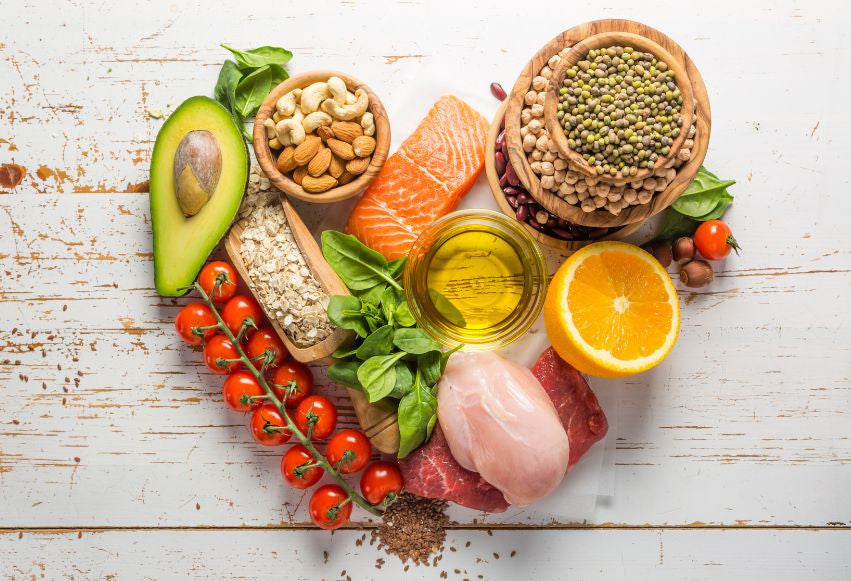
Acne is a chronic condition that affects the pilosebaceous glands. Many people, especially during adolescence, struggle with acne, which can lead to low self-esteem. However, it doesn't just affect young people. Acne can appear at any age. It develops when hair follicles begin to produce too much sebum. Excess sebum leads to inflammation, which can take the form of comedones (open and closed), pimples, papules, and even cysts. The causes of acne are diverse. They include factors such as lifestyle, diet, stress, hormonal changes, skincare, genetic factors, and climate. In this article, we'll describe the steps you can take to support acne-affected skin and improve its condition.
1. Diet and acne – fundamental aspects
Diet affects, among other things, body weight, hormone secretion like insulin, and the availability of essential nutrients. There is evidence that specific foods can lead to increased IGF-1 levels (a hormone that stimulates sebum production). Dairy is an example of a group of foods that can lead to elevated insulin and IGF-1 levels. It's worth emphasizing that this isn't a lactose-related issue, so swapping dairy for lactose-free won't solve the problem. To assess the impact of dairy on your body, eliminate it completely from your diet for four weeks, while monitoring your skin condition.
However, remember that dairy products are a source of calcium, which performs many important functions in our bodies. While eliminating dairy from your diet, ensure an adequate calcium intake from calcium-enriched foods such as plant-based drinks and yogurts, legumes, and tofu.
Anti-inflammatory diet to relieve acne symptoms
When dealing with acne, it is important to ensure an anti-inflammatory diet.
We will divide the products into anti-inflammatory ones (which soothe acne symptoms), which are worth using, and pro-inflammatory ones (which exacerbate acne symptoms), which are better to avoid.
Anti-inflammatory products:
- vegetables and fruits,
- nuts and seeds,
- some vegetable oils,
- legumes,
- whole grain cereal products,
- herbs,
- fish.
Pro-inflammatory products:
- sweets and confectionery,
- fast food,
- fatty meats,
- burnt products,
- sweetened drinks,
- salt, sugar,
- alcohol.

Relieving Acne Symptoms – Which Products Should You Avoid?
Alcohol is pro-inflammatory. It negatively impacts the body's hydration status and gut microbiota. Alcohol abuse is associated with a number of skin problems. It's also worth limiting your consumption of chocolate and cocoa products. Studies have observed a link between increased sodium intake and acne flare-ups. Seasoning your food with herbs rather than salt is better for your skin. High-glycemic index foods and highly processed fast foods also significantly contribute to acne progression.
2. Diet and acne – glycemic index and load
The glycemic index determines the increase in blood glucose levels that occurs after consuming a specific product in relation to glucose, which has a GI of 100.
Foods are classified as low (0-55), medium (55-69), and high (>70) GI. It's best to choose those with a low or medium GI, but that doesn't mean you should permanently avoid high-GI foods. If you want to include them in your diet, remember to use minimally processed foods, incorporate them into a balanced meal, and consume them in smaller quantities.
Glycemic load is a measure that takes into account both the quality and quantity of carbohydrates in a meal and their impact on blood sugar levels. Glycemic load measures how much a given meal raises blood glucose levels.
What lowers the glycemic index?
- adding protein and fat to the meal – the meal should not consist of only carbohydrates,
- including sources of dietary fiber in meals,
- cooking carbohydrates and vegetables "al dente",
- lower degree of product fragmentation,
- lower degree of fruit ripeness (green banana instead of brown).
What products should you include in your diet to alleviate acne symptoms?
Be sure to include foods that provide ALA and GLA in your daily diet. These are found in, for example, sea buckthorn oil and evening primrose oil. They are a source of phenolic acids, flavonoids, and vitamin E, a natural antioxidant. Antioxidants are a group of compounds that prevent cell damage and slow down the aging process caused by free radicals.
Just 20g of almonds a day can have a beneficial effect on your skin. Studies in postmenopausal women have found beneficial effects of almond consumption on skin health (including wrinkles and pigmentation). This may be due to the presence of vitamin E, unsaturated fatty acids, and antioxidants, among other nutrients.
Legumes, such as beans, lentils, chickpeas, and peas, are an important part of the diet. Unfortunately, their consumption in Poland is not as popular as in some countries. According to a 2020 consumption survey, legume consumption was approximately 3.3 kg per person per year. This is relatively low compared to other countries, such as India and Mexico, where legume consumption is approximately 15 kg and 7 kg per person per year, respectively. It's worth incorporating legumes into the diet, especially for people with severe acne.
When planning your meals, ensure you include a daily supply of fresh fruits and vegetables, which are a source of many vitamins. It's also recommended to choose foods rich in fat-soluble vitamins, which protect the lipid layer of the epidermis. These are found in offal, fish, seeds, and nuts.

3. Diet and acne – what is worth supplementing?
Vitamin D3 deficiency increases the likelihood of acne. In our climate, everyone should supplement vitamin D, at least during the fall and winter months (it's best to maintain this habit year-round). For adults, a daily supplement of 2,000 IU is recommended.
Omega-3 fatty acids have anti-inflammatory properties. They can increase sebum fluidity, which in turn reduces the likelihood of glandular blockage. It's recommended to consume them through diet in the form of fish, nuts, or oils such as flaxseed oil, or to take a combination of omega-3, -6, -9 fatty acids, which are available on the market.
4. Lifestyle is not just about diet – which habits affect the condition of acne-prone skin?
To ensure good skin condition, you should take a look at a few additional issues.
1. Are you getting enough sleep? Your body needs about 8 hours of sleep to regenerate.
2. Remember to drink enough fluids daily? Insufficient water intake can lead to inflammation and skin aging. There are several recommendations regarding the amount of water you should consume daily. The simplest calculation is to drink 30-50 ml of water for every kilogram of body weight.
3. Are you getting enough exercise during the day? Physical activity increases tissue sensitivity to insulin. Abnormalities in insulin production and sensitivity can lead to an increased risk of skin inflammation.
4. Can you manage stress? Stress can lead to increased production of the stress hormone cortisol. Cortisol can increase sebum production. Furthermore, stress affects the production of collagen and elastin, which can lead to a loss of skin elasticity and firmness.
5. Acne-prone skin care requires a personalized approach. However, it's worth focusing on a few key aspects, such as proper cleansing, moisturizing, and sun protection. It's also worth considering incorporating a facial serum into your daily routine to further enhance your skin's condition. The Clarity Juice serum will help reduce redness and soothe irritation. The Repair Juice serum is ideal for evening out skin tone and improving skin texture.

Remember that diet isn't everything. If your problem is serious, consult a dermatologist or cosmetologist. Good luck!
