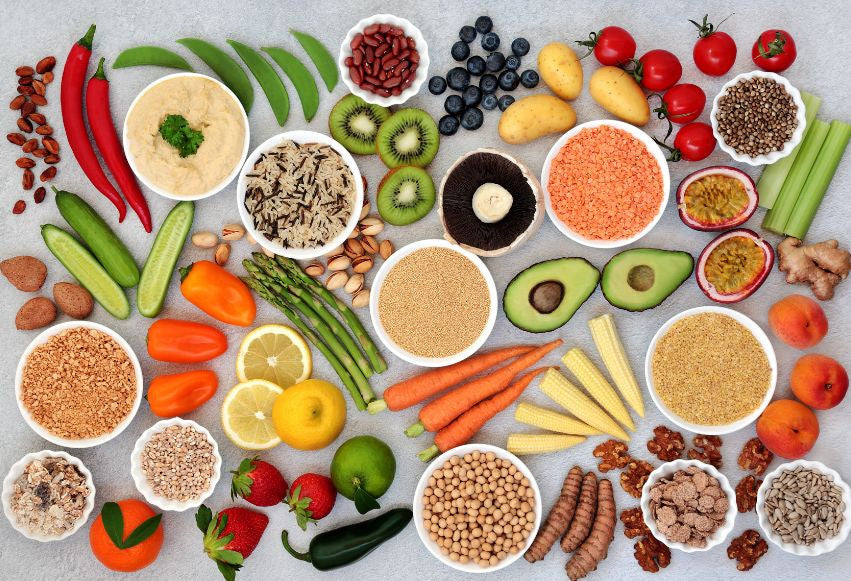
Beautiful and strong hair is not only synonymous with femininity but also with health. Not all of us can boast thick, shiny locks. Even the best products won't work miracles if our diet is deficient in vitamins, macro- and micronutrients, and building blocks. So before you reach for the most expensive conditioner on the store shelf or invest in supplements, you should carefully consider what you're eating.
The condition of hair is adversely affected by:
- drinking large amounts of coffee and strong tea, which flushes magnesium and potassium from the body, - excess simple sugars and fast food, - frequent drinking of high-proof alcohol, - meals consisting of highly processed foods containing animal fats, - a diet low in vegetables.
Therefore, if your lifestyle significantly impacts the quality and regularity of your meals, it is worth introducing healthy snacks into your daily diet that will make up for any deficiencies, while being completely natural, free of preservatives, trans fats and excess simple sugars, especially sucrose.
Nuts
Nuts are an ideal, albeit relatively high-calorie, source of unsaturated fatty acids. They boost metabolism and, contrary to popular belief, prevent the formation of excess fat. They also contain valuable nutrients such as magnesium, phosphorus, and potassium. All types of nuts are rich in a complex of substances beneficial to hair: vegetable fat containing omega-3 and omega-6 fatty acids, vitamin E, and minerals. Just three walnuts meet the daily requirement for omega-3 fatty acids. They are a rich source of calcium, iron, magnesium, phosphorus, and zinc.
Oils
The main benefit of oils is unsaturated fatty acids (EFAs), which protect the body against cardiovascular diseases and cancer. The more unsaturated fatty acids (and the fewer saturated fatty acids), the better. Oils with a predominance of monounsaturated fatty acids are suitable for frying, eating raw, and cooking. Thanks to these acids, the oil retains its properties even during high-temperature processing. Those with a predominance of polyunsaturated fatty acids should be used only in salads and avoided overheating. Also worth noting is the versatile linseed oil, which is a source of omega-3 fatty acids and, in women, regulates hormones, which also contribute to hair loss and dullness. Coconut oil, thanks to its health-promoting properties, is one of the healthiest fats available. Thanks to its unique fatty acids and high content of active nutrients, it can be safely incorporated into your daily diet.
Pumpkin seeds
In addition to fatty acids, they contain a wealth of vitamins and minerals. The vitamins found in pumpkin seeds include vitamin E, vitamin B1, vitamin B2, vitamin B6, vitamin A, vitamin C, and vitamin D. Above all, they are rich in zinc, a deficiency of which negatively impacts excessive scalp oiliness, brittleness, and dullness. Due to their high vitamin content, these small seeds should be included in your diet as a healthy addition to your diet. Vitamin E is an important antioxidant in the body. It helps deliver nutrients to cells. It also strengthens blood vessel walls and protects red blood cells from premature breakdown. Vitamin B1 plays a crucial role in tissue respiration. Other B vitamins found in pumpkin seeds include vitamins B2 and B6.
Parsley
Parsley is a plant readily found in almost every kitchen. It's perfect for dishes, soups, sauces, and salads, but its greatest benefits come from preparing fresh juice, a veritable treasure trove of vitamins and minerals. Parsley has detoxifying, antibacterial, cleansing, and strengthening properties due to its high vitamin C content, which exceeds that of citrus fruits. It's also rich in beta-carotene, vitamin A, potassium, calcium, phosphorus, magnesium, sodium, and fiber. With regular use, you'll also notice its beneficial, beautifying properties; hair becomes fuller and thicker, dark circles disappear under the eyes, and the complexion glows. This juice is an ideal addition to the daily diet for those struggling with excessive hair loss and weakened hair and nails. It's worth remembering that, like any juice, it should be consumed immediately after preparation, especially due to the rapid oxidation of vitamins.
Kale
Iron deficiency causes hair to weaken, become thin, brittle, and fall out excessively. Long-term iron deficiencies in the diet can lead to anemia. To improve the health of your hair and overall body, supplement your diet with foods rich in this mineral, such as egg yolk, red meat, cocoa, dried apricots, broccoli, beans, buckwheat, and millet. One of the richest vegetables in iron is kale, which is often underestimated. It's a variety of cabbage with long, wrinkled leaves and a distinctive flavor. It works best as an addition to juices.
Protein
A diet for hair (and beyond) should also include protein, found in poultry such as chicken, turkey, fish, legumes, dairy products, and eggs. It's generally recommended to consume approximately 2 grams of protein per kilogram of body weight daily. A deficiency in this nutrient can lead to hair loss and brittleness, as hair strands require this nutrient as a building block for baby hair formation and rapid growth.
Paulina Czuchaj runs alteregoblog.pl . Outside of her online activities, she spends her time studying, reading, and strength training. She's a fan of long hair, natural skincare, and bold lips.
