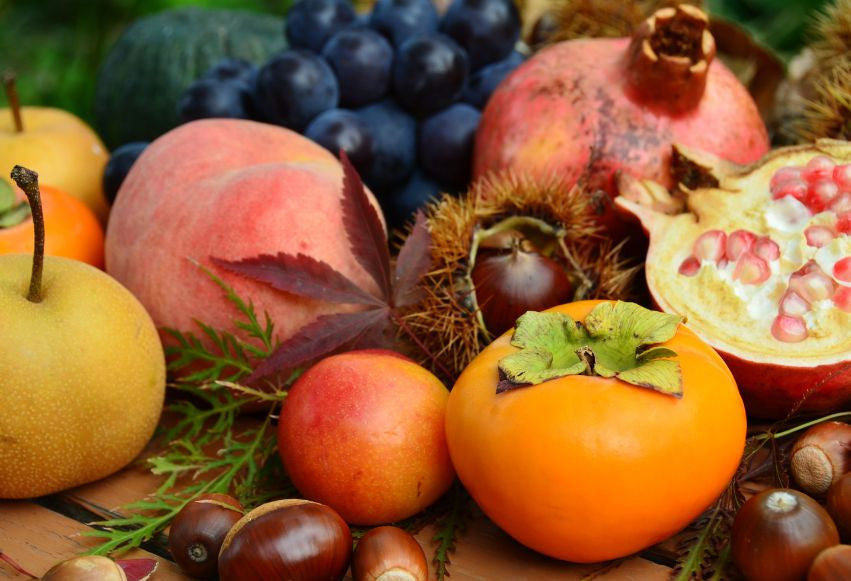
Autumn doesn't have to be gloomy and dreary. Let's take advantage of this season's bounty and make delicious preserves! In the garden, we can currently find not only our favorite apples, plums, grapes, and walnuts, but also the less common sea buckthorn and rosehips. Why is it worth harvesting these natural bounties, and how can they impact our well-being during the colder months?
Walnut to improve brain function
Let's start with the popular and beloved walnuts . They are very high in calories, but they are unsaturated fatty acids. They also have a favorable ratio of omega-6 to omega-3 fatty acids. Walnuts are primarily responsible for proper lipid metabolism, which in turn helps inhibit atherosclerosis and reduce triacylglycerol and LDL cholesterol levels. Omega-6 fatty acids, on the other hand, help lower blood pressure and support the treatment of diseases such as diabetes, cancer, and obesity. Walnuts are also recommended for anyone who engages in intellectual work, as they improve brain function. Walnuts can be consumed directly, but also in the form of oil, tinctures, or liqueurs.
The wealth of antioxidants coming from grapes
Now something for grape lovers. They primarily contain simple sugars, polyphenolic compounds, tannins, and vitamins A, C, and B. Additionally, these fruits contain a wide range of antioxidants, including 10 phenolic acids, 16 anthocyanin pigments, flavonols, proanthocyanidins, and tannins. Resveratrol, a compound found in the skin, is also worth noting. Thanks to it, our bodies gain resistance to parasitic diseases. It also has antioxidant properties and exhibits anticancer and anti-inflammatory activity. This compound stimulates angiogenesis, i.e., the formation of blood vessels. Furthermore, grape-based products have anti-atherosclerotic properties, reduce the risk of heart disease and brain disorders, have antithrombotic properties, and increase levels of good HDL cholesterol. They also exhibit diuretic properties and detoxify the body. Grapes are used to produce various preserves, such as wines, jams, and preserves. A very valuable oil is produced from the seeds.
A little-known vitamin C bomb – sea buckthorn berries
Among the less common autumn bounties , sea buckthorn is also worth mentioning. It can be found most often near rivers and on the dry coast of the Baltic Sea. It also makes a great fruit shrub for a home garden. Sea buckthorn berries are rich in minerals such as magnesium, potassium, calcium, iron, sodium, and vitamins C, A, D, E, K, and B vitamins. Furthermore, research shows that vitamin C from these berries has a longer shelf life because they do not contain ascorbic acid oxidase, an enzyme that breaks it down. Therefore, it does not break down during processing. This makes preserves made from these berries a desirable commodity during periods of weakened immunity. Sea buckthorn is used to make delicious jams, marmalades, liqueurs, wines, and the seeds are used to make oil.
It's worth stocking your pantry with walnuts, grape preserves, and sea buckthorn berries before winter, as they not only taste delicious but also strengthen our bodies during the colder months and protect against weakened immunity, which can lead to colds and inflammation. And as our grandmothers said, prevention is better than cure!
Beata and Patrycja – creators of the blog Z Pamiętnika Dietetyka (Dietetics' Diary), authors of a book about healthy eating, and sisters in private. They are a harmonious duo, despite their different worldviews. Beata, a dietitian by profession, loves to set high goals for herself, which is why she turned to dietary catering as a career, wanting to take care not only of her own health but also of all Warsaw residents. Patrycja, on the other hand, has a journalism degree and loves cooking and documenting her adventures in the kitchen. She works on the artistic side of the blog daily, and as she herself admits, nothing is impossible for her. She always strives for her goal, even though it's often uphill.
