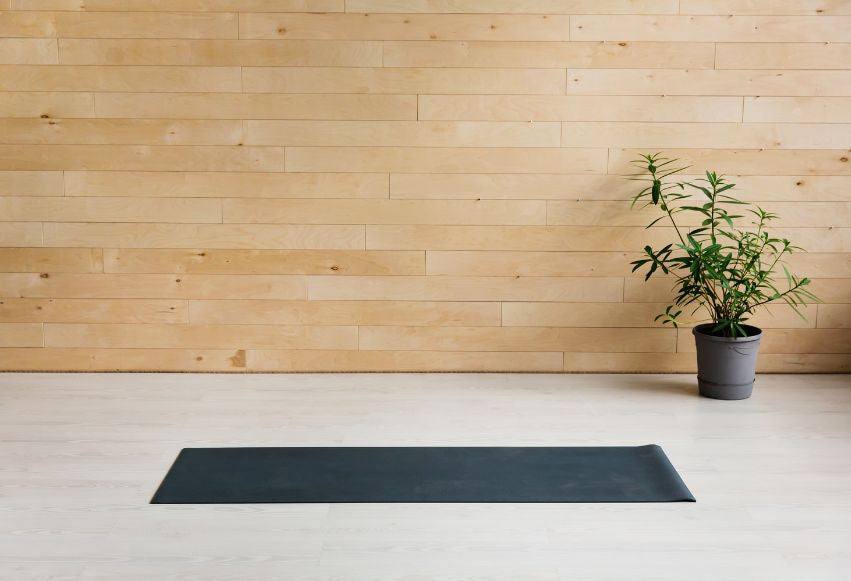
Many myths have arisen around yoga, likely because it's so closely aligned with Eastern philosophies and medicine. For some, it's simply exercise—a way to relax and take care of one's body; for others, it's faith, culture, and religion. Because of this fine line (or perhaps an inability to draw it themselves), many people don't try this form of exercise at all. Perhaps it's worth setting aside such deep analysis and simply taking on the challenge? Learn about the benefits of yoga as an exercise.
Yoga cleanses the body and mind, allowing for a long and happy life. For women, yoga helps prepare for and maintain pregnancy, ease labor pains, and recover more quickly after childbirth.
Regular exercise helps to:
- blood pressure – thanks to better blood supply and oxygenation of the body, yoga lowers blood pressure and keeps it at the correct level,
- Pain – people who practice yoga have a higher tolerance for pain. Furthermore, yoga exercises often significantly reduce or even completely eliminate conditions such as back pain, chronic pain, and neck pain;
Heart disease – yoga is largely about working on breathing, calming the body, and relaxing it. This practice helps reduce stress levels. Reduced stress, combined with lower blood pressure, protects against cardiovascular disease.
- Stress reduction – these positive effects will be felt primarily by women, as they are less resilient to stress. More and more doctors are recommending yoga to their patients because it improves concentration, facilitates focus, and increases stress resistance;
- anxiety and depression – yoga includes proper breathing exercises, which help significantly reduce anxiety and free yourself from negative feelings and thoughts that usually cause depression.
Where to start?
It doesn't take much to start practicing yoga. First, determine if it's something you're interested in and want to pursue. If not, there's no point in even the slightest investment. However, if you feel like this is the right fit for you, you should stock up on:
1. A mat – this isn't something to skimp on, because if it's a bad mat, the entire workout will be a disaster. Your spine, butt, and feet need good support during exercise: soft enough to not dig into the floor, but also firm enough to not sink into the foam. The mat must be resilient, adhere well to the floor, non-slip (even when you sweat and your skin is damp), and long enough to accommodate your head and feet when lying down;
2. Tight-fitting clothes – tight-fitting clothing works much better in yoga than loose tracksuits. One reason to wear a tight-fitting wardrobe is that many poses are performed with your head down . Loose tops tend to not only expose your back, stomach, or bust, but also fall over your face, cutting off oxygen and obscuring your entire field of vision. Furthermore, loose clothing prevents you from seeing how you're performing a given pose, which is crucial in yoga (especially at the beginning).
3. Blocks, straps – after purchasing a mat, you already have everything you absolutely need to practice yoga. However, if you're just starting out, or if you're not naturally flexible, it's a good idea to equip yourself with a yoga block. Blocks are used to "extend" your body. For example, if you can't reach your feet with your hands when standing, then you place the block on the ground and rest your hands on it, performing the pose correctly, without hunching or overstretching the wrong muscles. The same applies to straps. However, until you're completely convinced you want to continue with yoga, you can use a firm pillow or a thick book instead of a block, and make a strap from a piece of wide tape or a regular belt.
How to start?
Because precision is key in yoga, it's worth doing your first few (or dozen) training sessions under the supervision of a specialist yoga instructor. There are a few basic things to pay attention to, such as foot and hand placement, opening and closing poses, breathing control, and a general sense of when to tell your body "enough" and stop stretching. Therefore, it's helpful to have someone at the beginning who can supervise all your movements on the mat.
Yoga can be an excellent way to de-stress, but also improve your physical and mental well-being. Remember to take your first steps under the supervision of a professional. Otherwise, the exercises may do more harm than good. And this activity has many benefits, so it's probably worth trying.
