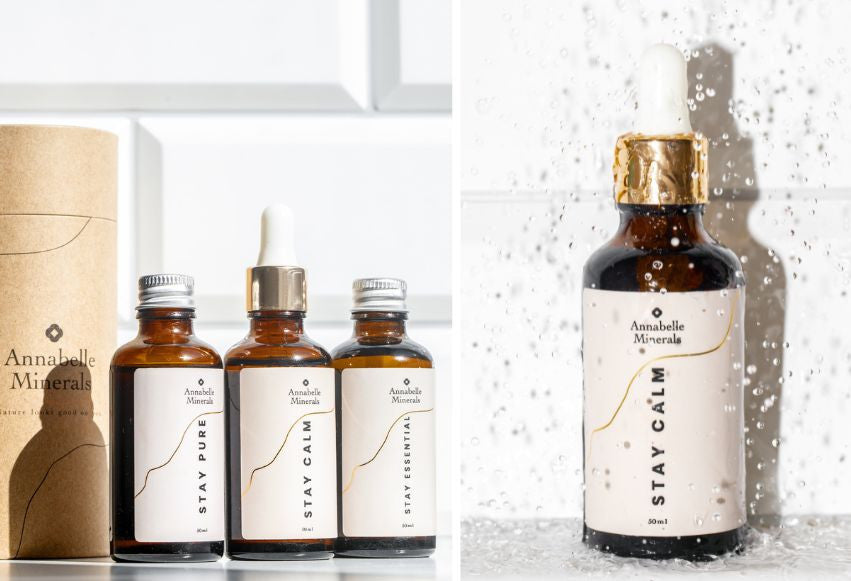
Since ancient times, various types of baths have been used, and when skillfully prepared, they have been effective in treating all sorts of ailments. In the modern world, we can manage most illnesses with effective medications, but there are still many minor ailments that a relaxing bath can alleviate. It's worth finding time for yourself and giving your body a little relaxation in the comfort of your home. A bath can truly help, especially if you know what to add or sprinkle into the water.
Why bath?
Water makes up approximately 80% of the cells that make up a human body. In other words, our bodies are mostly made of water. Therefore, contact with water is the best thing that can happen to us. A bath acts like a soothing and relaxing massage on our body. Warm water stimulates blood flow and helps remove harmful substances from the body. Cold water improves blood circulation, can reduce inflammation, and stimulates our internal organs to function more efficiently. A cold bath, while not necessarily a pleasant experience, is also effective in soothing allergic skin reactions (e.g., hives). If you treat your body and soul to a relaxing bath at least once a week, I assure you, you'll quickly see changes, not only in the appearance of your skin, but most importantly, in your well-being.
Herbal bath
Herbs possess primarily medicinal properties. Adding them to a bath has a beneficial effect on our skin and also on our health. Depending on the combination of herbs you choose, you can expect different effects. However, one thing is certain – a herbal bath will have a relaxing, soothing, anti-inflammatory, and antibacterial effect. How do you choose the most suitable herbs for you? It all depends on the ailments you're experiencing and the desired results. Virtually any herb can be used as a bath additive. If you want to choose a herbal blend specifically for you, you need to familiarize yourself with the properties of specific herbs and then create your own herbal variations. Below are some herbal bath tips:
- Lavender, lemon balm, St. John's wort, and nettle will soothe, calm, de-stress, and relieve pain. It's the perfect blend for those leading a hectic lifestyle where stress is a major concern.
- Sage, chamomile and mint will improve skin firmness and stimulate your entire body.
- Ginger and ginkgo biloba can help relieve rheumatic pain and cold symptoms. They also have a stimulating effect on the entire body, giving you energy.
- Thyme, sage, horsetail and oak bark, thanks to their anti-inflammatory and antifungal properties, are perfect for fighting acne symptoms.
- Linden blossom, thyme, heather, lavender, chamomile, lemon balm and hop cone is a mixture recommended for people suffering from insomnia.
Remember, if you want your herbal bath to be effective, you must follow a few important rules. First and foremost, the water temperature for a herbal bath should not exceed 37 degrees Celsius, the bath should last a maximum of 15 minutes, and for best results, repeat the bath at least twice a week. How do you add herbs to your bath so they don't lose their properties? A good way is to place them in a linen bag and submerge it in water. You can also brew an herbal mixture, strain it through a strainer, and add it to the finished bath. Don't forget about a quicker option: purchasing ready-made herbal blends available at pharmacies or drugstores.
Cleopatra's Bath
It's believed that the most beautiful queen in ancient Egypt owed her exceptional beauty to daily milk baths. Supposedly, her subjects had to milk around 700 donkeys daily to ensure their queen could take such baths. Fortunately, today, things are much simpler. Can a milk bath really have such a beneficial effect on our skin? It turns out it can. However, for a milk bath to be effective, you must remember to choose the right milk. Donkey milk and goat milk are the most nutritious. They contain unsaturated fatty acids and peptides, which contribute to skin firmness, while proteins and lipids perfectly moisturize, lubricate, and nourish the skin. Lactic acid exfoliates the skin, like a gentle enzymatic peel. This results in a radiant appearance, improved blood flow and elasticity, and significantly softer, leaving it as smooth as silk.
To prepare a royal bath, begin by filling the bathtub about 1/3 of its capacity with hot water. Add 4 to 5 liters of milk to the water. The bath is ready. Nothing could be simpler. If you want to enhance the effects of your bath, you can add half a cup of liquid honey (we use only real honey), which will soothe and nourish the skin. For muscle pain, add about 6 tablespoons of sea salt to the milk bath. Don't forget the right ambiance! Create a home spa in your bathroom. Light your favorite candles, dim the lights, turn on some soft music, and add a few drops of your favorite fragrance oil to the tub for added relaxation. Remember that such a bath should last no longer than 10 to 15 minutes.
Brine bath
The benefits of natural brine baths are invaluable. While we used to associate brine baths with professional treatments, today we can enjoy them in the comfort of our own bathrooms. If you're wondering whether a brine bath is worth it, the answer is yes. First and foremost, a brine bath is rich in sodium, magnesium, calcium, potassium, bromine, and carbon dioxide. It has analgesic and anti-inflammatory properties, improves muscle and joint function, lowers blood pressure, and also has a calming effect on the autonomic nervous system. A brine bath will strengthen our skin and strengthen our entire body's immune system. Preparing such a bath is very simple. Simply purchase bath or spa salts and follow the instructions included with the product. You can also use regular table salt or sea salt.
Bath oils
The primary purpose of essential oils used in a bath is to relax us after a hard day. Aromatherapy has been known for centuries, and its impact on our well-being remains invaluable. Just a few drops of essential oil added to a bath can work wonders. It's important to remember not to rely solely on your own preferences when choosing an oil that suits your senses. It's possible that the oils whose scent we enjoy most will have the opposite effect than we intended. Before choosing the right oil, familiarize yourself with its properties. Don't be discouraged! Often, a scent completely displeases us, but after adding it to the bath, it stops bothering us completely. Below are several types of essential oils and their effects:
- Pine oil – brings relief and soothing, has a relaxing and calming effect;
- Eucalyptus oil – reduces congested blood vessels, has a typically stimulating effect and a bath with its addition certainly adds energy;
- Lavender oil – similarly to pine oil, it has a calming effect, more directed at nervous states, and also has an antidepressant effect;
- Geranium oil – reduces anxiety;
- Rosemary oil – improves memory, therefore recommended before exams. ;)

But don't be afraid to experiment. Who says we can't create our own essential oil blends? Play with scents and create oil variations.
Remember! If you're allergic, check whether the oils will cause an allergic reaction. Apply a small amount of the oil diluted with water to the skin around your forearm. Monitor your reaction. If no itching or rash develops within 12 hours, feel free to use the oil of your choice.
Now all that's left to do is fill your bathtub with water and prepare yourself a truly unique bath. Besides relaxing your body, allow yourself to turn off your thoughts and unwind your inner self.
Agata Bielecka / AGU – She was supposed to be a teacher, but she became a blogger. She owns a blog available at www.agatabielecka.pl . Known online as Agu, she's passionate about cosmetics and everything related to beauty and self-care. She's obsessed with brushes, eyeshadow, and red lips. In her private life, she's a cat lover, a fan of photography, Scandinavian crime novels, austere interiors, good food, and coffee.
