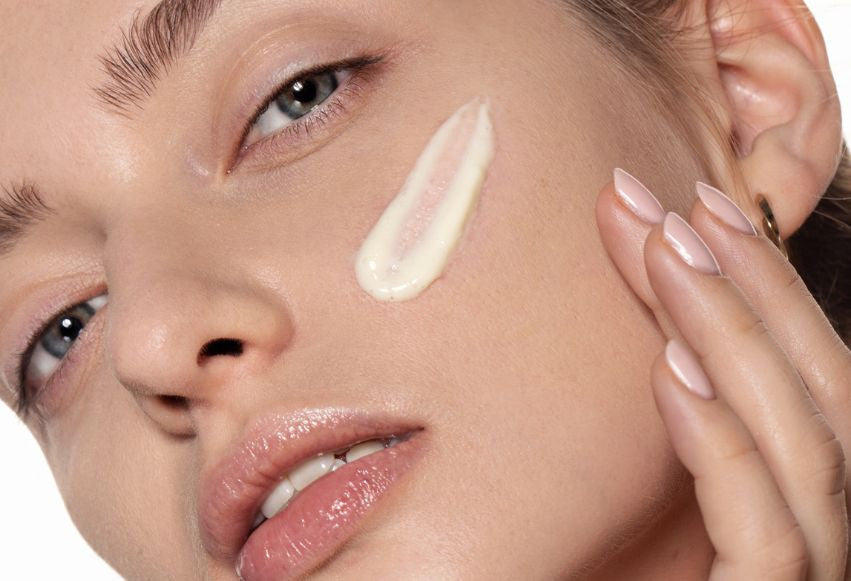
Sun protection is an important element of safely enjoying hot weather. Although solar radiation is essential for the proper release of vitamin D and other photosensitive hormones, unwise sunbathing can lead to serious health complications. How can you effectively protect your skin from the sun? Should you use sunscreen and how, and can mineral cosmetics provide this protection?
Sun protection in mineral foundations
Mineral cosmetics provide sun protection in the SPF range of 10-30. This is sufficient protection in urban environments, while also providing physical protection (breathable, covering fabrics, hats, sunglasses) without intentional sun exposure on darker skin types. Sunscreens contained in mineral foundations reflect UVB radiation (erythema-inducing) and, to a lesser extent, UVA radiation, which is responsible for epidermal damage, carcinogenesis, and accelerated aging. Therefore, it can be deductively concluded that mineral foundations, despite their many advantages, cannot completely replace sunscreen, although they certainly have many benefits. Advantages of mineral foundations include the ability to build coverage and evenly distribute the mineral powder, as well as a lightweight formula that is resistant to sweat and sebum, relatively easy to remove even with light cleansers. Just as cream sunscreens are not easy to apply and have a limited shelf life (the most stable formulations last up to 4 hours without touch-ups), mineral foundations require significantly less maintenance to provide a stable, at least 80% blockage of harmful solar radiation. Therefore, it's safe to say that mineral foundations aren't just makeup products, but also quite good sunscreens. Although they certainly aren't specialized products and won't be sufficient for protecting very light skin types, hyperreactive, delicate, sensitive skin, easily irritated by the sun, or prone to hyperpigmentation. In extreme cases, when sunscreen formulas or ingredients cause severe irritation and allergic reactions, mineral foundations can provide a stable source of protection.
Creams with protective filter
Sunscreens provide specialized, ultra-high protection, suitable for high sun exposure and a high tendency to develop irritation, burns, and discoloration. They are not harmless to the skin, and certainly not to the natural environment, as it has been proven that certain formulation ingredients (including oxybenzone) can have a particularly negative impact on the aquatic environment and the living organisms living within it (including inhibiting the development of corals). Sunscreen formulas also leave much to be desired: to achieve a uniform consistency and chemical stability, they require a number of additives, a waterproof, oily formula, and a specific, large dose of the product intended for a small area of skin. All these factors complicate the use of sunscreens and require significant extension of skincare routines, while heavy cream consistency often leads to skin problems. When choosing sunscreens, it is worth paying attention to the highest declared UVA protection (PPD), the presence of the latest generation of filters that combine the properties of chemical filters (they absorb radiation) and mineral filters (they reflect it), which makes them more stable and less toxic (they are less likely to cause redness and irritation), the lack of penetrating filters, and the formula of the preparation – ideally, the product should allow for the application of the right amount of the preparation to the skin and should stay on it well (e.g., it should set after a few minutes).

Can you combine the properties of sunscreen creams and mineral cosmetics?
Contrary to popular belief, absolutely. What's more, it's even advisable! Sunscreens are currently perfectly stabilized and undergo numerous clinical trials, so they can easily serve as an excellent base for mineral foundation, which only enhances its protective properties and certainly doesn't compromise the manufacturer's claimed protection. There are no current studies confirming the alleged destabilizing properties of mica and other mineral cosmetic ingredients. Mineral cosmetics broaden the spectrum of sunscreens, which increasingly rely solely on chemical filters, which are significantly less effective at reflecting harmful sun rays. This can reduce the sunscreen's protection level and longevity, and increase the risk of irritation when using products based solely on chemical protection. Mineral foundations also mechanically enhance the protective properties of sunscreens by absorbing excess oil, allowing the applied product to adhere better to the skin and reducing skin contact (sebum removal, sticky formula that can collect hair). The only downside is the application method itself. Be careful not to wipe off sunscreen when applying mineral foundation. Wait at least 30 minutes for the product to blend with the skin and provide true sun protection. To prevent the sunscreen from rubbing off, it's worth dusting your skin with a mattifying powder and only then, using gentle brush movements, apply a layer of mineral foundation without worrying about reducing the sun protection factor. On these hot days, don't forget about essential sun protection! Adjust your protection level to your skin's individual needs and characteristics and enjoy the sunny weather safely.
Ewa Szałkowska – young, ambitious, and creative. Passionate about art, a lover of good food and dark chocolate, she has been passionate about mineral makeup for several years, learning it from the ground up. With immense passion, she runs a unique online space where she shares her knowledge and experience in skincare for problematic skin in an accessible and creative way. She is the founder and author of the blog www.ewaszalkowska.com .
