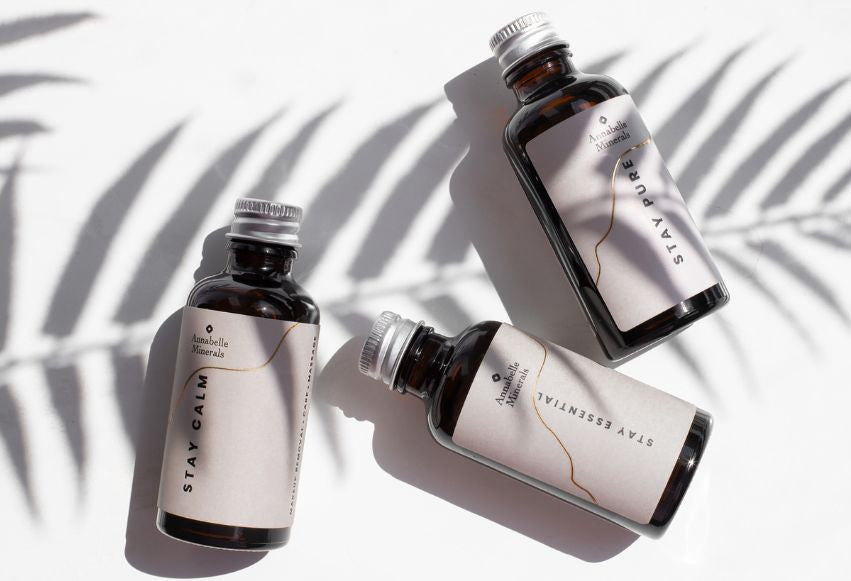
You've probably heard of, and perhaps even tried, the ever-popular oil cleansing method. Despite the effectiveness of the OCM method, it's important to note that it's not suitable for all skin types, as the oil cleansing method plays a crucial role in:
- consistency and structure of the oil used (oils, esters, essential oils used),
- spontaneous rinsing or non-rinsing of the oil,
- further cleansing steps that facilitate the removal of oil from the skin,
First, answer the question: can oil cleansing benefit your skin? Consider the products you use daily and whether cleansing with oils will actually be effective for you. Heavy, creamy makeup, protective creams, excessive sebum, and oily, nourishing cosmetics based on oils will be effectively dissolved in a similar structure – oils, so OCM is perfect for removing such impurities. However, the effectiveness of this method decreases significantly when used with loose or lightweight products that form suspensions or are only soluble in water. The skin isn't effectively cleansed, and you'll need to use additional, often aggressive methods to remove both impurities and oil. Many positive recommendations: oil cleansing isn't for everyone, however . OCM can improve the condition of your skin, but it may also prove to be an inappropriate cleansing method, especially if you use very light skincare and makeup. The same applies if oil-based formulas don't fully suit you. In this case, cleansing with oils is not suited to the amount of impurities on the epidermis and the need for leave-on emollients. The negative effects of using the oil method will be particularly noticeable in people with highly polluted skin, who don't require such strong daily care and aren't prone to dry skin. However, it can be a great cleansing method used occasionally.

Which oils should I choose?
Drying oils and fatty esters have an extremely delicate structure. They spread even small amounts evenly across the skin, offering no mechanical resistance, and acting rather superficially – they don't perform as well as heavier oils for a more intense, stimulating massage. They rinse off quickly and easily using detergents and mechanical methods (fiber cloths, microfiber, konjac sponges). They have a harder time bonding with very heavy, greasy dirt, especially when applied in large quantities (e.g., setting, heavy, creamy foundation). They are excellent for removing relatively light dirt.
andgt;andgt; STAY CALM MULTIFUNCTIONAL OIL
Slow-drying or non-drying oils , with a thick or solid consistency, bind better with oily impurities, cleanse pores more intensively, and require more thorough removal from the epidermis. They also leave a protective film on the skin. Cleansing balms and butters are much better for cleansing dry skin.
The difference between the classic OCM method and cleansing oils
It depends on the method of removing or not removing the oil. The traditional OCM method relies solely on pure, undiluted oils and butters, while cleansing oils are enriched with additional emulsifiers or detergents that, when in contact with water, create an emulsion and facilitate chemical rinsing of the oil from the skin. This is helpful when traditionally used oils fail as a cleansing method: they leave a greasy, sticky film and don't effectively remove from the skin. Conversely, the classic OCM method will be the best cleansing method when any rinse-off, rinse-off formulas dry out and excessively irritate the skin.
andgt;andgt; STAY PURE MULTIFUNCTIONAL OIL

How to remove oil from the skin using the classic OCM method and with rinse-off cleansing oils?
And here lies the key to satisfaction with each of the above methods, because the way of washing and removing the oil directly affects:
- cleansing effect,
- oily or dry skin,
- the cooperation of the skin with the subsequently applied care products.
The traditional OCM method is only the first cleansing step, one essential component of a two-step skin cleansing routine . Oil massage aims to dissolve impurities. The second step—removing them along with the oil from the skin—cannot be omitted. Due to the lipophilic nature of fats, they require the application of heat (which can be avoided with cleansing oils). You can remove them using:
- The mechanical, detergent-free method involves removing excess oil using absorbent fibers and sponges. This is one of the more gentle ways to remove oil from the skin, although its effectiveness depends on the tool used and the amount of pressure applied.
- The chemical, alkaline method. Alkalis are excellent at breaking down and removing fat from the skin. Using a foaming alkaline soap or gel, you can remove oil from the skin. This is one of the more aggressive and powerful cleansing methods.
- The chemical, emulsifying method cleanses the skin using a cleanser that doesn't contain strong detergents (e.g., cleansing creams, thick, creamy emulsions). Instead, it uses emulsifiers and other binding agents that, when in contact with water, gently remove excess oil from the skin. This is the gentlest way to cleanse the skin in a two-step regimen.
However, it's important to remember that any method using an OCM blend leaves a noticeable film on the skin, whether it's weak or strong. Therefore, it works best for dehydrated, dry skin that needs protection during and immediately after cleansing.
andgt;andgt; STAY ESSENTIAL MULTIFUNCTIONAL OIL
Cleansing oils, thanks to the presence of emulsifiers and/or detergents, solve this problem – they not only dissolve dirt but also remove it from the skin's surface. However, the effectiveness of oils depends on:
- emulsifiers used,
- the addition or absence of detergents,
- general formula - non-drying oils with a thick, buttery structure are harder to rinse off.
Cleansing oils can be rinsed off completely or leave a delicate veil on the skin. Depending on the skin's needs, they can be used alone, rinsed off with warm or cold water. Of course, as with traditional OCM, makeup removal can be performed in two steps using the same techniques. Cleansing oils are much better at cleansing oily, contaminated skin that doesn't require protection after cleansing but also dehydrates quickly during the process. Which method do you choose?
Ewa Szałkowska – young, ambitious, and creative. Passionate about art, a lover of good food and dark chocolate, she has been passionate about mineral makeup for several years, learning it from the ground up. With immense passion, she runs a unique online space where she shares her knowledge and experience in skincare for problematic skin in an accessible and creative way. She is the founder and author of the blog www.ewaszalkowska.com .
