The temperature outside is rising, and we're slowly pulling out our swimsuits. Often, however, we're not thrilled with our reflection in the mirror. It's never too late to start and return to physical activity and diet. Remember, however, that it shouldn't be considered a temporary solution. Healthy eating should be a good habit that everyone can develop.
Remember about breakfast
It's no wonder there's so much talk about breakfast being the most important meal of the day. Skipping it is a huge mistake. Metabolism slows down throughout the day, and it's fastest in the morning. Depending on your preferences, you can create a breakfast in two ways. The first option is a breakfast based on complex carbohydrates and protein. A quick and easy-to-prepare filling breakfast is, for example, whole-wheat bread with cottage cheese or any kind of pancakes made with whole-wheat flour, which doesn't cause a rapid spike in blood glucose and keeps you feeling full longer. It also contains more fiber, vitamins, and minerals. The second option is a meal composed of protein and fat. A simple idea is the well-known scrambled eggs with vegetables and meat. Because everyone's body is different, there's no single, correct way to eat, so it's worth trying both.
Eat more in volume
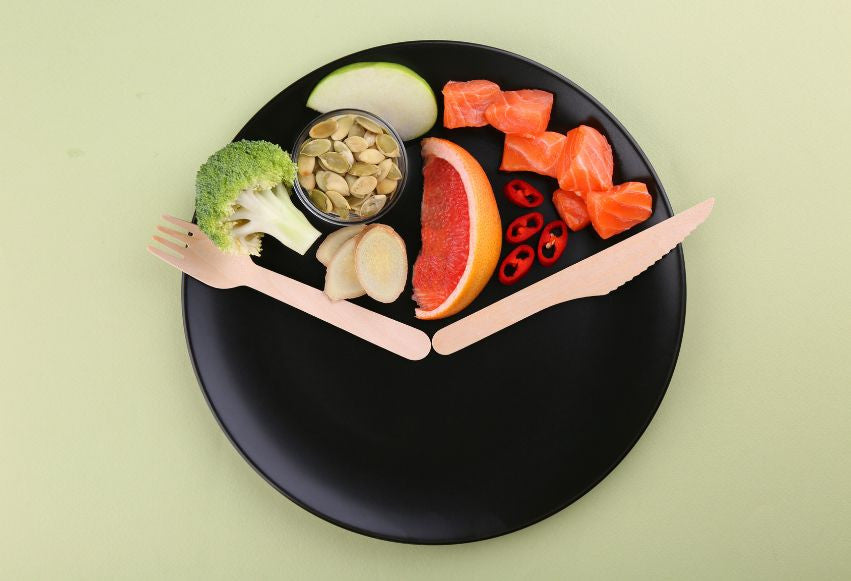
The long-held belief is that you need to eat less to lose weight. However, this is not true. Initially, weight loss is due to water loss, but over time, your metabolism slows down as it tries to adapt to the lower calorie intake. So, try to pay attention to the volume of your food, opting for salads and whipped omelets. A good example of the theory that you need to eat to lose weight is that during long-term weight loss, you often notice a plateau as your body adapts. Weight loss gradually stops, and the best way to counteract this is to increase your calorie intake or have a cheat meal . Additionally, studies have shown that certain foods, such as tuna (rich in protein) and grapefruit (rich in vitamin C), can speed up your metabolism. Spices are also your ally: chili, curry, cinnamon, black pepper, tarragon, and even basil. Fiber-rich foods, such as vegetables, are also important. They provide a feeling of satiety, but remember that too much of them in your diet can cause digestive problems. A daily intake of 20-30 grams is recommended, and a properly balanced diet doesn't require the use of over-the-counter supplements.
Reduction
The fight for a beautiful, slim figure always begins in the kitchen. Exercise and physical activity help firm the body and accelerate the burning of unwanted fat, but this only accounts for about 30 percent of the total effect. The remaining 70 percent is the diet. The worst thing you can do is try fad diets that promise incredible results in a short time. These diets are often based on a very low calorie diet, which causes weight gain after discontinuation due to the significant calorie surplus. Weight loss is simply about providing the body with fewer calories, but gradually. While counting calories can be intimidating at first, it's not difficult. To calculate your calorie needs, we recommend a reliable calculator , and you can check the nutritional values of each meal in the calorie charts . Importantly, it's generally recommended to consume approximately two grams of protein per kilogram of body weight.
Strength training
The best type of training to boost your metabolism is strength training. Well-executed, high-intensity strength training using free weights can boost your metabolism for up to thirty-eight hours after a single session. Beginners should familiarize themselves with a universal workout plan for those just starting out in the gym. This is the Full Body Workout , which trains the entire body in a single session, starting with the largest muscle groups and working down to the smaller ones.
Intervals
Interval training is a workout with varying degrees of intensity. It allows you to increase your maximum aerobic capacity. This training structure forces the body to exert more effort than it would otherwise be capable of during a longer period of sustained, moderate, or low intensity exercise. One session lasts from 5 to a maximum of 25 minutes, including a warm-up. It can take the form of running, cycling, or swimming. One interval consists of a maximum effort unit and a recovery unit. Remember, the breaks must be shorter than the interval itself, for example: two minutes of running and one minute of rest. What matters most is not the heart rate during the intense phase, but the rate it slows down to during the recovery period. The smaller this difference, the more effective the training is: it builds fitness and burns fat faster. The main principle of interval training is to ensure that the heart rate doesn't drop too low during the recovery phase, meaning that the resting phase isn't complete. It's estimated that intervals are up to three times more effective than a regular cardio session of the same intensity.
Tabata
It's a 20-second effort repeated eight times, with a 10-second rest period between repetitions. This 4-minute metabolic training method was developed in 1996 by Japanese Dr. Izumi Tabata. It evenly engages as many muscles as possible in our body. This boosts metabolism and accelerates fat burning . Tabata consists of This is an incredibly intense exercise performed using your own body weight. The goal of the training is to improve both anaerobic (without oxygen) and aerobic (oxygen) performance. This increases endurance and body performance. Therefore, burning excess fat is a side effect of intense exercise. It is typically performed two or three times a week. Its greatest advantage is its short duration, only four minutes, and the fact that you can easily perform it in the comfort of your own home.
Fluids
Water is a dietary element that is often neglected by many people. Studies show that when we are dehydrated, we burn two percent fewer calories. German scientists discovered that drinking half a liter of water can boost metabolism by thirty percent for ten minutes, after which the rate slows down within half an hour. Large amounts of water help eliminate harmful metabolic waste products. It has long been known that fat tissue stores toxins. When we burn fat, the toxins are released. Green tea and coffee also help fight unwanted fat tissue. Green tea supports weight loss by accelerating metabolism and removing waste products. The unique properties of unroasted coffee are based on its rich content of chlorogenic acid (CGA). Once in the body, it reduces the amount of sugar absorbed in the digestive tract. This forces the body to use previously stored stores, resulting in weight loss. This acid is also found in nettle, hawthorn, cocoa beans, and prunes.
PAULINA , has been running alteregoblog.pl for four years. Besides her online activities, she enjoys studying, reading interesting books, and strength training. She's a fan of long hair, natural skincare, and bold lips.
