Winter is a particularly challenging time for our skin. Exposed to sub-zero temperatures and unfavorable weather conditions, it often reacts with dryness, redness, and flaking. It can also sting, burn, and itch. This can be exhausting and uncomfortable, especially when the problem is difficult to address. Often, the cause lies in inadequate skincare, so below are a few skincare habits worth remembering. They will help you keep your skin in good condition and make the countdown to spring easier.
Sun protection all year round
It's not true that sunscreen should only be used in summer. On frosty, sunny days, UV rays reflecting off the snow are twice as damaging as on hot, summer days. So don't forget about sunscreen (SPF 30 is a minimum) and apply it to your face before every trip. Also, protect your eyes and don't forget to wear sunglasses. Your skin will thank you, both now and in the years to come.
Moisturizing creams are leading the way
In winter, it's worth swapping lightweight moisturizers for richer, more hydrating ones. These are especially effective when we spend a lot of time outdoors. Moisturizers with a high water content, combining with water in the epidermis, can lead to irritation, severe redness, and even broken capillaries. We don't have to worry that moisturizing creams will cause a rash of bad guys and clog pores. The market now offers such a wide range of skincare products with natural, beneficial ingredients that everyone can find something for themselves. If our skin is particularly problematic, it's also worth considering protective creams for babies. They have a lightweight formula but effectively protect against harmful weather conditions.
It's not just the face that needs hydration
When applying sunscreen, or even the right one, don't forget about your neck and ears. Even a hat and scarf don't provide 100% protection, so it's important to take care of your skin, not just your face. Unfortunately, many people skip this step, with disastrous results. Redness, irritation, flaking skin, and small pimples are just some of the many unpleasant side effects.
Stop the strong heating
It's nice to spend time in a warm room, but the heating season is unfortunately not kind to our skin. Therefore, it's worth limiting the use of radiators and ensuring adequate humidity in the home. Special humidifiers or even damp towels placed on radiators can help. This will help prevent dehydration, uncomfortable tightness, and itchy skin.
Time for enzymatic peels
Harsh, granular exfoliators are best stashed away in winter and not used too often. While they're excellent at exfoliating dead skin, they can further irritate flaky, dehydrated skin. An enzymatic exfoliator is much better, as it doesn't contain any granules, so you don't expose your skin to harsh friction. It's worth remembering this to avoid falling into the vicious cycle of mechanical exfoliation.
The perfect time to visit a beauty salon
If your skin is particularly problematic and you're plagued by discoloration or breakouts, it's worth visiting a dermatologist or cosmetologist. Their specialized staff will select treatments tailored to your skin's needs and ensure its healthy appearance. Winter is the perfect time for acid treatments or other exfoliating treatments under the supervision of a specialist.
Vitamin A ointment good for everything
In winter, it's worth having a vitamin A ointment on hand. It costs pennies (about 3 złoty at any pharmacy) and can literally save your skin. It's a versatile product that's perfect for treating cuticles, chapped lips, a runny nose, or dry cheeks. A thick layer applied overnight works wonders. Furthermore, the ointment, used occasionally, despite its oily, thick consistency, doesn't clog pores.
Oiling has power
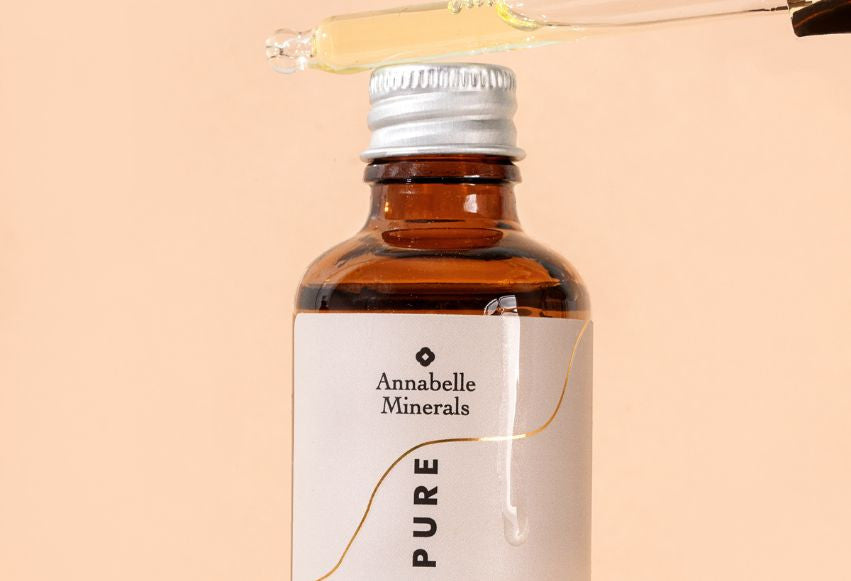
For dry, severely dehydrated skin, natural oils can come to the rescue. They possess powerful nourishing properties and wonderfully regenerate not only the skin but also the hair. There are so many of them that you're sure to find the perfect one that suits you perfectly. You can use it to remove makeup, moisturize your skin after bathing, nourish cuticles, and regenerate hair. This is a truly versatile cosmetic that should be in every woman's bathroom.
You can never have too much water
Many people don't drink enough water, and this problem is especially acute in winter. We don't feel as thirsty as in summer and drink significantly less. This is a big mistake, as diet has a huge impact on the condition of our skin. Good, well-thought-out skincare involves not only various treatments, masks, and creams, but also caring for ourselves from the inside out. If we struggle with severe dryness, it's worth making extra sure to drink adequate amounts of water throughout the day. A minimum of 1.5 liters is recommended.
A summer shower is an ally of the skin
After a walk on a frosty day, it's pleasant to soak in a tub full of hot water. However, remember that hot baths are not healthy. High temperatures destroy the skin's protective layer and cause moisture to evaporate quickly. This leads to severe dehydration, tightness, and itching of the skin, which is not a pleasant experience. In winter, it's worth avoiding long soaks in the tub and replacing them with quick showers in lukewarm water.
Agata Bielecka / AGU – She was supposed to be a teacher, but she became a blogger. She owns a blog available at www.agatabielecka.pl . Known online as Agu, she's passionate about cosmetics and everything related to beauty and self-care. She's obsessed with brushes, eyeshadow, and red lips. In her private life, she's a cat lover, a fan of photography, Scandinavian crime novels, austere interiors, good food, and coffee.
