Everyone dreams of beautiful hair—shiny, smooth, and full of volume. Do you look in the mirror and what you see is far from perfect? Is your hair dry and damaged? If you're concerned about the condition of your strands, these tips are for you.
Correct washing and shampoo selection
Choosing the right shampoo is crucial. This product is primarily intended to cleanse the scalp and hair. It's best if it has a mild formula without SLS and SLES (SLS – Sodium Lauryl Sulfate, SLES Sodium Laureth Sulfate (SODIUM LAURETH SULFATE) These are detergents that help shampoo lather better and effectively remove sebum and impurities. People with sensitive scalps may experience disturbing symptoms such as contact allergy, itching, redness, tightness, and dryness. It's worth learning which cleansing detergents are safer and less irritating, such as Coco Glucoside, Decyl Glucoside, Disodium Cocoyl Glutamate, and Lauryl Glucoside.
Shampoo should be tailored to the needs of your scalp. If your scalp is dry, don't overdo it with a clarifying shampoo. Conversely, if you have an oily scalp, avoid washing your hair with a cream shampoo. It's best to choose a gel, translucent shampoo. The same rule applies to cosmetics: less is more. The simpler the ingredients, the healthier the shampoo will be for your hair. Go for shampoos with natural ingredients. You can find them not only in herbal stores; drugstores also offer a growing selection of natural cosmetics.
Nothing will happen if you occasionally use a shampoo with SLS. On the contrary, this detergent will wash away all accumulated impurities, silicones, and styling residue.
Hair masks
Masks are usually more potent than conditioners. It's a good idea to apply a hair mask for at least 20 minutes and wrap your hair in a shower cap and towel. This occlusion will allow the mask's ingredients to penetrate deeper into the hair. Remember to provide your hair with a variety of nutrients. It's best to maintain a balance between proteins (keratin, silk), emollients (oils), and humectants (moisturizers – e.g., glycerin, aloe vera, honey).
Oiling – a way to beautiful hair
Oiling is an additional treatment that offers many benefits. Simply apply the oil at least 30 minutes before washing your hair. Oils regenerate hair, making it shiny and healthy-looking. Hair after oiling is softer and smoother. You don't have to worry about oily skin or hair – oiling is done before washing your hair. Remember to wash the oil out with an SLS-free shampoo to prevent the detergent from washing away all the necessary substances. You'll notice a difference after just a few treatments.
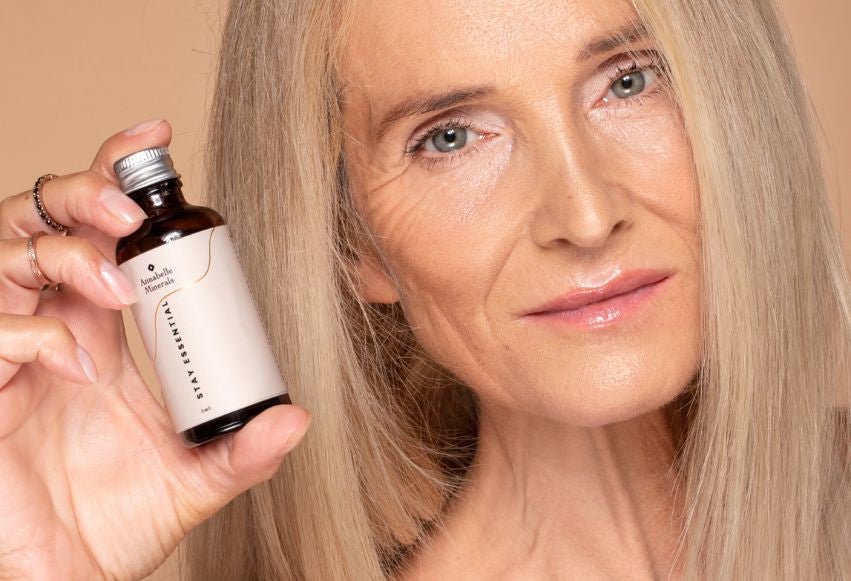
If you're unsure which oil is right for your hair and want to see how this treatment will affect the condition of your strands, use oils you already have in your kitchen. You can use olive oil, flaxseed oil, or coconut oil. Another interesting option is to use oil blends, which are usually lighter than those found in our kitchens. Annabelle Minerals oils are great for oiling hair.
Hairstyles, cutting, securing ends
Some hair accessories can damage your hair, stretching it, and breaking it. Choose hair ties that don't damage your hair's structure and don't pull them too tight.
Regularly trimming your ends makes your hair look healthier. It's even and split ends are prevented. That definitely looks better than dry, damaged ends, right?
Also, remember to protect your ends with a silicone serum after every wash. This protects your hair from mechanical damage. Just a few drops are enough.
Martyna Piechowska is a blogger and makeup artist. She combines her passion for cosmetics and makeup with her professional career, where she can be found daily at the drugstore. Her blog is both a hobby and a way to spend her free time. She loves cosmetics and everything related to beauty, skincare, and makeup.
