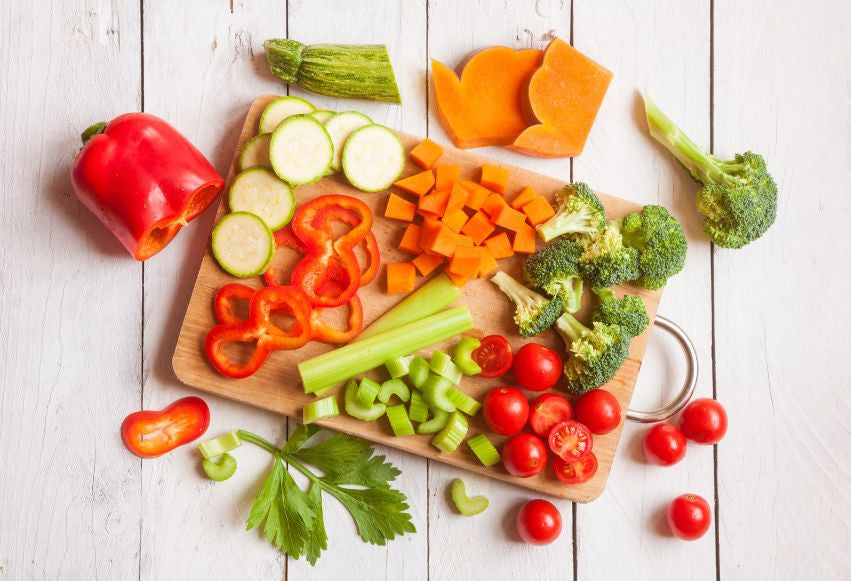
The autumn and winter months are a paradise for lovers of exotic fruits and vegetables. Growing interest in foreign products means that a variety of delicacies, often from far-flung corners of the world, are appearing on store shelves. But does beautiful appearance guarantee a wealth of vitamins and minerals?
A healthy diet in the Polish climate
Many sources indicate that the best way to maintain health is a diet adapted to the climate zone in which we live. Menus based on local and seasonal produce provide the right proportions of essential nutrients. Due to its location, Poland has a temperate climate, with a transitional, warm-temperate climate. This translates to seasonality in the availability of produce on the market. In spring and summer, strawberries, radishes, lettuce, tomatoes, cucumbers, and cherries, among others, appear on our local markets. Spring and summer are the times when these vegetables and fruits are rich in vitamins and minerals, making them a good base for spring and summer menus. However, in the colder months, we should strengthen our body's immunity by reaching for legumes, potatoes, grains, cabbage, garlic, leeks, beets, carrots and onions, among others.
Given the seasonality of fruit and vegetables in our climate zone, it's worth choosing local, seasonal products from trusted domestic producers. Their value surpasses that of plants imported from distant corners of the world, which have traveled vast distances to reach our store shelves.
Colorful, exotic fruits, after traveling vast distances by sea or land, no longer provide as many nutrients as they could if consumed in their place of origin. If you're a fan of exotic fruits, it's worth seeking out various food cooperatives and groups on popular social media channels that bring together people who know growers in other countries and They know what farming there really looks like. Perhaps taking advantage of such initiatives will help bring such fruits and vegetables to us via the shortest route possible.
List of products adapted to our climate zone
Cereals: rye, wheat, oats, barley, buckwheat, millet, spelt.
Vegetables: potatoes, white cabbage, beetroot, butterhead lettuce, spinach, onion, chives, radish, carrot, parsley, celery, leek.
Legumes: beans (mainly Jack and red), peas, lentils, green beans.
Fruits: apples, pears, plums, cherries, chokeberries, raspberries, blackberries, blueberries, strawberries, viburnum, elderberry.
Herbs: mint, chamomile, oregano, fenugreek.
Dairy products: cow's milk cottage cheese, sheep's and goat's cheese, buttermilk, cream.
Fats: sunflower oil, rapeseed oil, linseed oil.
Meat: pork, beef, poultry (chicken, duck, goose, guinea fowl).
Domestic fish: pike, carp, trout, zander, eel, sprat, herring, cod.
Not everything that looks good is always healthy for us. This is the case with many fruits and vegetables imported from the farthest corners of the world. Although they tempt us with their color and beautiful appearance, they may not bring much benefit to our bodies during this cold season. During the fall and winter, we should take care of our immunity and strengthen ourselves with natural vitamins straight from local farms. Therefore, choose what the Polish climate and Mother Nature have to offer.
Beata and Patrycja – creators of the blog Z Pamiętnika Dietetyka (Dietetics' Diary) , authors of a book about healthy eating, and sisters in private. They are a harmonious duo, despite their different worldviews. Beata, a dietitian by profession, loves to set high goals for herself, which is why she turned to dietary catering as a career, wanting to take care not only of her own health but also of all Warsaw residents. Patrycja, on the other hand, has a journalism degree and loves cooking and documenting her adventures in the kitchen. She works on the artistic side of the blog daily, and as she herself admits, nothing is impossible for her. She always strives for her goal, even though it's often uphill.
