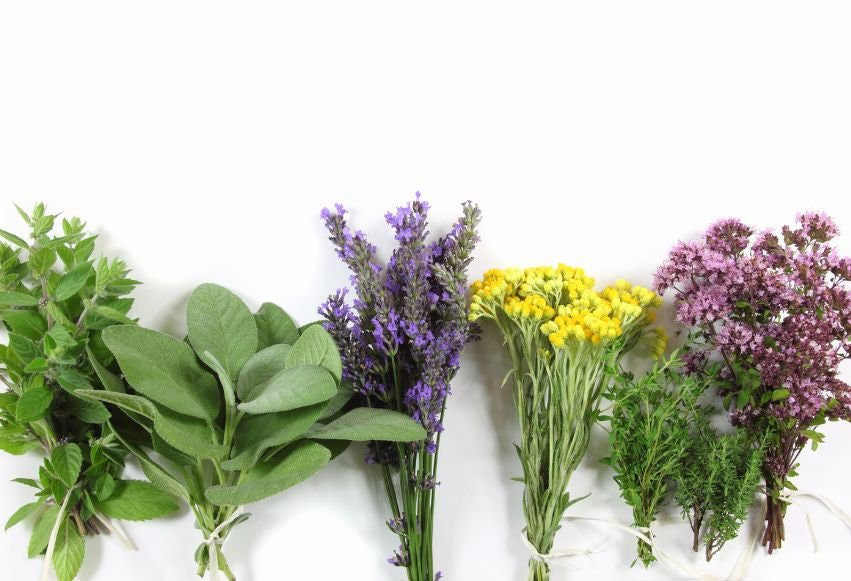
Nature is the greatest beauty store we can imagine. It holds many secrets, and the richness it offers is the best choice for your skin. Natural skincare is a perfect choice for all skin types. It works for dry, oily, acne-prone, sensitive, and mature skin. Natural treatments should be a part of everyone's skincare routine! And while many of nature's treasures remain undiscovered, everything is still ahead of us. It's time to take a closer look at these natural ingredients, which we all know so well.
Chamomile – a floral breeze of gentleness
How to use chamomile and how does it work? Chamomile is one of the oldest herbs used in cosmetics. Its anti-inflammatory and antibacterial properties are excellent for a variety of skin problems. Have you ever wondered how chamomile affects hair or skin? Do you know the benefits of using it? Chamomile is a multifaceted herb. It works great as a compress or steam bath for tired skin, and it's also helpful in combating irritated skin. The main benefit of using chamomile is its regenerative and protective properties. Skin treated with chamomile extract can experience intense hydration, softening, and smoothing. The complexion becomes radiant, brighter, and visibly fresher. It's also worth reaching for cosmetics rich in chamomile extract for burns or minor cuts, due to its soothing and calming properties. If you have fine, light-colored hair, chamomile is a must-have in your makeup bag. Chamomile flower can enhance the depth of blonde color, thanks to its strong lightening properties. Chamomile softens hair, adds shine, and penetrates its internal structure, giving it significant elasticity. Chamomile shampoo will significantly strengthen and nourish your hair – and if you struggle with oily and dandruff-prone hair, this is the perfect product for you. However, remember that chamomile can cause a severe allergic reaction in people allergic to plants in the Asteraceae family, so exercise caution!
Peppermint – menthol relaxation
Peppermint is a dark green perennial that can reach heights of up to 90 cm. It has a strong, menthol-like, refreshing scent. As a natural remedy, it has found use in the cosmetics and perfume industries. Its unique scent can relax, reduce stress, relieve fatigue, and soothe the nerves. The active ingredients in peppermint are primarily essential oils such as menthol, thymol, and limonene. Peppermint also contains tannins, which have strong antibacterial and anti-inflammatory properties; phenolic acids and flavonoids, which have antioxidant properties that facilitate the removal of free radicals; bitter substances, which have antispasmodic, astringent, and anti-inflammatory properties; mineral salts and vitamin C. How to use peppermint? From now on, the word "peppermint" should primarily be associated with the oil. Peppermint oil has analgesic, antibacterial, relaxing, and calming properties. The oil extracted from this herb improves skin condition, adds radiance, and works well as a moisturizer. You'll also find peppermint in lip balms and lipsticks, as it soothes, nourishes, smooths, and moisturizes chapped lips. How to make peppermint oil? You'll need:
- about 350 grams of fresh peppermint;
- about 200 milliliters of olive oil;
- a jar or bottle made of dark glass with a capacity of 250 milliliters.
The basic step is to thoroughly wash the mint leaves in cold water. After washing, crush the leaves until they release their juice. Then, heat olive oil in a pot, add the crushed mint, stir, and simmer, covered, over low heat for about 30 minutes. After this time, set the infusion aside to cool, then strain it through a strainer and pour it into a jar. Store the preparation in a cool, sun-drenched place. The oil will need about 10 days to be ready to use. Remember to shake the jar every 12 hours to ensure all the ingredients are thoroughly mixed and retain their properties. Never use the prepared oil directly on the skin, as it is very potent and can cause skin redness – always dilute it with water or another gentle essential oil.
Lavender – a purple vertigo
Lavender – the very word is imbued with a wonderful scent and evokes associations with a unique feeling of relaxation and the coming of spring. Lavender is a super herb found in medicine, cosmetics, perfumery, and household chemicals. Lavender is a shrub characterized primarily by its purple flowers and intoxicating scent. It also has a long history as a medicinal plant. What does lavender cure? Its dried flowers, sewn into bags and placed under the pillow, will help combat insomnia. The aroma of lavender is an excellent remedy for headaches and also helps to relax and experience a sense of peace. Lavender has been used to combat athlete's foot, dandruff, unpleasant body odor, as well as oily and acne-prone skin. In cosmetology, the essential oil extracted from lavender flowers is most commonly used. It has aromatherapeutic applications – it is used to scent cosmetic products. Lavender is a herb worth reaching for if you feel tense or stressed. Lavender is also an ideal addition to a bath. After a long and exhausting day, treat yourself to a bath with a few drops of lavender oil or a handful of dried lavender flowers. This type of bath guarantees pleasant relaxation and rest, not only for the body but also for the mind. Lavender oil has a wide range of benefits in the care of various skin types. It works best on mature, oily, and acne-prone skin. Lavender is also beneficial in facial care because of its anti-inflammatory, antiseptic, and antioxidant properties. It regenerates and smooths the complexion. It has strong anti-puffiness properties, helping to combat dark circles and puffiness under the eyes. If you have any of the problems mentioned in this section, turn to lavender immediately!
Evening primrose – an oil miracle of nature
Evening primrose is primarily used in pharmaceuticals and natural medicine, but its unique properties have also found their way into cosmetics. There are approximately 200 varieties of evening primrose worldwide, primarily used as a garden ornament, but its seeds yield a valuable oil that is worth using in daily care. Evening primrose oil is cold-pressed to preserve its valuable properties. It contains a fatty acid called gamma-linolenic acid (GLA), which helps combat inflammation, cis-linoleic acid (EFA) and oleic acid, as well as palmitic and stearic acid. What does evening primrose treat? The most significant benefit of evening primrose oil is its positive effect on reducing female ailments, such as menstrual pain, hormonal imbalances, and menopause. It is helpful in cardiovascular diseases, metabolic disorders, and rheumatism. You can choose evening primrose in capsules or drink bottled evening primrose oil. What about skin? How does evening primrose work and how to use it? Evening primrose extract is perfect for those struggling with problematic skin. Atopic dermatitis, psoriasis, acne, and eczema are conditions that can be combated with the support of evening primrose oil. It has strong moisturizing and nourishing properties and perfectly regulates the sebaceous glands, making it suitable for those with oily skin. Evening primrose is beneficial for hair and nails. It improves their structure, condition, strength, and shine. An additional advantage of evening primrose oil is its gentleness, allowing it to be applied directly to the skin without dilution. However, even in this case, exercise caution and check for an allergic reaction before use, and if you decide to use it internally, be sure to consult a doctor.

Sage – a recipe for madness
Sage, known to everyone, is primarily associated with mouthwash and gargles for inflammation. But I have to surprise you – sage is more than just a remedy for oral problems – it's pure madness! Wondering how sage works on hair? How does sage work on skin? Be careful, because you might be surprised. The vast array of sage properties is incredible. It exhibits not only anti-inflammatory properties but also antifungal, antibacterial, disinfectant, and antioxidant properties. Using sage accelerates the healing of wounds, scratches, and irritations. It helps fight acne and prevents excessive sebum production, regulating the function of the sebaceous glands. In cosmetology, it is primarily recommended for those with oily and combination skin. Caring for this type of skin with sage guarantees deep cleansing and a toning effect. The cosmetics market offers many cosmetics containing sage. Body lotions, face creams, masks, tonics, and even hair shampoos. It's undeniable that sage has a very beneficial effect on the condition of hair and scalp. It's excellent for combating dandruff, strengthening hair structure, and preventing hair loss. Sage is a true beauty craze – it's a recipe for health and longevity! However, there are also some contraindications. When should you not use sage? If you're pregnant or breastfeeding, you should definitely avoid sage. People with epilepsy should also avoid it. It's worth noting that prolonged consumption of sage leaf infusions can be toxic to the body. So remember – everything in moderation! Ideally, under a doctor's supervision!
Arnica montana – beauty derived from the mountains
Arnica montana is found primarily in Asia and South America, but can also be found in Europe and even Poland, where it is protected. Arnica montana has a broad spectrum of activity, containing active substances such as flavonoids, phytosterols, carotenoids, and the tannins mentioned earlier. A significant advantage of arnica is that these active substances absorb deeply into the skin, thus acting with much greater effectiveness. Arnica montana has found use in cosmetics, primarily due to its anti-inflammatory properties. It is excellent for those struggling with acne and excessive sebum production. It improves the condition of oily and problematic skin. This herb is also worth considering if you have skin prone to capillaries. The active compounds in arnica have a strong decongestant and strengthening effect. Penetrating deep into the skin, reaching the blood vessels, it stimulates blood circulation, preventing swelling and bruising. Reach for mountain power – but always use your head!
Good luck!
Agata Bielecka / AGU – She was supposed to be a teacher, but she became a blogger. She owns a blog available at www.agatabielecka.pl. Known online as Agu, she's passionate about cosmetics and everything related to beauty and self-care. She's obsessed with brushes, eyeshadow, and red lips. In her private life, she's a cat lover, a fan of photography, Scandinavian crime novels, austere interiors, good food, and coffee.

