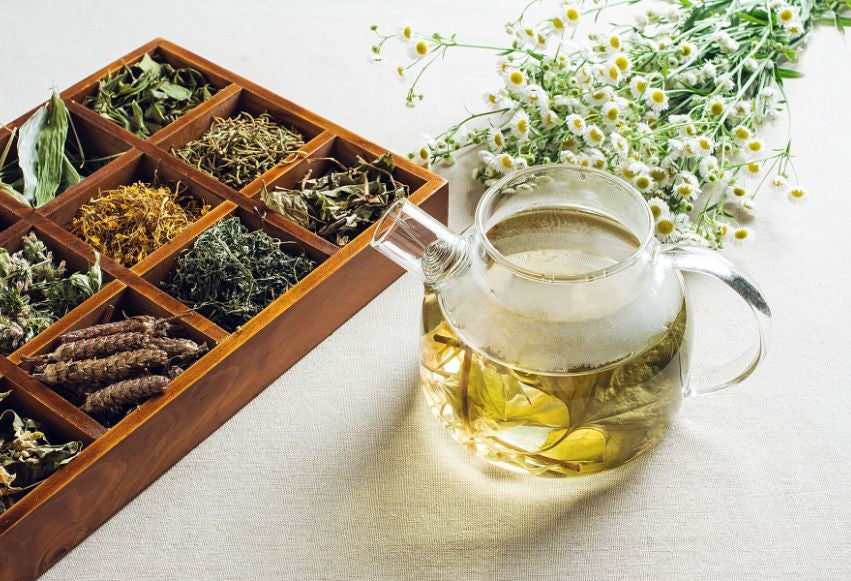
Do you start your day with coffee? Is black tea dominating your diet? It's time to change that! There are much healthier beverages that will not only energize you, quench your thirst, and warm you up, but also cleanse your body and nourish it from the inside out. In today's post, you'll discover the power of herbal teas and their nourishing properties. By incorporating them into your diet, both your skin and hair will quickly thank you.
Pansy tea (violet tricolor)
Pansy has a very comprehensive effect. It effectively cleanses the body and helps fight acne. It soothes inflammation, reduces seborrhea, and accelerates metabolism. Therefore, it has a beneficial effect on our skin, hair, and weight. Regularly drinking the tea may cause a temporary flare-up of blemishes, but it's worth waiting it out. Pansy is rich in flavonoids, which help remove toxins from the body. A short-term increase in skin blemishes in most cases means only one thing: pansy is working and cleansing our body. This drink is good for people of all ages, except the elderly. The first results are noticeable after about a month of regular drinking of 2-3 glasses a day. However, it's worth extending the treatment to several months to see truly spectacular changes.
Nettle tea
Nettle is rich in phosphorus, silicon, manganese, calcium, and vitamins, among other things. Therefore, the infusion provides the body with many minerals that have a beneficial effect on our hair and nails. Regularly drinking nettle tea helps combat hair loss, improves hair condition, and promotes faster growth. The same applies to nail plates—it becomes hard and resistant to damage. Furthermore, nettle has a diuretic effect and removes excess water from the body, so it can be helpful for swelling. Of course, consistency and time are required to notice the effects. The first noticeable changes will be visible after about a month of drinking a glass of the infusion once a day. Anyone can drink nettle, as it is considered a natural antibiotic. However, it's important to remember to take breaks due to its diuretic properties.
Rockrose tea
Drinking rockrose has recently become popular, and that's a good thing. It's an herb with powerful antibacterial, antiviral, and strengthening properties. It also facilitates the removal of toxins and heavy metals from the body and improves skin condition. It rejuvenates the skin, helps reduce wrinkles, and aids in the fight against eczema and acne. Rockrose can also help combat colds and boost our immunity. The properties of this plant have been known in herbal medicine for thousands of years. Long ago, it was even used as a mouthwash instead of ready-made mouthwashes. It was also believed to help treat Lyme disease. Rockrose is truly powerful, but remember to drink it regularly and daily. The first effects will be visible very quickly; you can notice changes after just a week! Of course, as with other herbs, an increased rash may occur during internal cleansing, but it's best to wait it out and not immediately dismiss rockrose. It's an ideal herb for the whole family. Anyone can drink it, regardless of age.
Chamomile tea
Chamomile is always worth having on hand. Not only is it great for relaxation, it's also a fantastic thirst quencher. It can also help with trouble falling asleep and speed up the treatment of colds and other unpleasant infections. Chamomile infusion is also indispensable for severe menstrual pain. Tea works better than many ready-made remedies. It wonderfully relaxes and relieves cramps. Chamomile is rich in flavonoids, organic acids, and mineral salts. It helps with skin irritations and is excellent for hair care. It has strong brightening properties, so you can not only drink the infusion but also rinse your hair with it or wipe areas of the body affected by skin problems, such as ulcers. Furthermore, chamomile has antiseptic and antibacterial properties and accelerates the healing of all wounds. It is also excellent for oral hygiene. The infusion can be drunk regardless of age; there are no contraindications, but it's important to remember that chamomile is one of the most allergenic herbs. If disturbing symptoms appear, discontinue treatment. Regular consumption of chamomile tea should result in immediate results.
Sage tea
Sage is a remedy for many ailments. It has anti-inflammatory and antiseptic properties and stimulates the body's production of digestive juices. Sage leaves are rich in essential oil containing, among other things, camphor, borneol, as well as tannins and flavonoids. Its leaves contain significant amounts of essential oil, the main components of which are thujone, cineole, camphor, borneol, and pinene. It also contains flavonoids, organic acids, vitamins, minerals, and carotene. Therefore, sage not only benefits the body from the inside but is also responsible for significant skin improvement from the outside. The herb helps fight acne and psoriasis, delays the skin's aging process, and has a positive effect on wrinkles. For this reason, sage is an ingredient in many cosmetics for mature and problem skin. A regular infusion, in addition to helping with blemishes and inflammation, can also help resolve excessive sweating throughout the body. It often proves more effective than ready-made products available in stores. The tea also helps treat all oral ailments. It reduces ulcers, thrush, and canker sores. It also soothes a sore throat. As you can see, this is a very versatile plant, appreciated for many, many years. Drinking it regularly brings rapid results.
How to brew herbs?
The process is similar for all herbs. Pour hot, but not boiling, water over two teaspoons of the dried herb to preserve its beneficial properties. Then, cover and steep for three to five minutes. If you don't like the taste of tea grounds, you can purchase a special tea infuser, available in most stores. Coffee filters or a regular strainer will also work.
What to look for when buying herbal teas?
Never buy ground herbs or ready-made tea bags. Make sure the dried leaves are as plentiful as possible. Avoid blends with visible twigs or other additives. Buy your tea from reputable sources, preferably herbal shops.
How to diversify the taste of herbal teas?
The longer you steep the tea, the more bitter it becomes. If you can't drink the herbs on their own, it's worth adding a teaspoon of brown sugar, honey, raspberry juice, or a squeeze of citrus juice to your tea. This will subtly offset the herbal aroma and soften the aftertaste, which may not be pleasant for everyone.
Agata Bielecka / AGU – She was supposed to be a teacher, but she became a blogger. She owns a blog available at www.agatabielecka.pl . Known online as Agu, she's passionate about cosmetics and everything related to beauty and self-care. She's obsessed with brushes, eyeshadow, and red lips. In her private life, she's a cat lover, a fan of photography, Scandinavian crime novels, austere interiors, good food, and coffee.
